
Sexually transmitted infections, or STIs, are a common health concern affecting millions of people worldwide. Many people feel embarrassed to talk about them, but understanding STIs is important for everyone. These infections can be spread through sexual contact and sometimes even through close skin-to-skin contact.
If you know the facts about STIs, you can protect yourself and others, avoid unnecessary worry, and help reduce the stigma.
What Are Sexually Transmitted Infections?
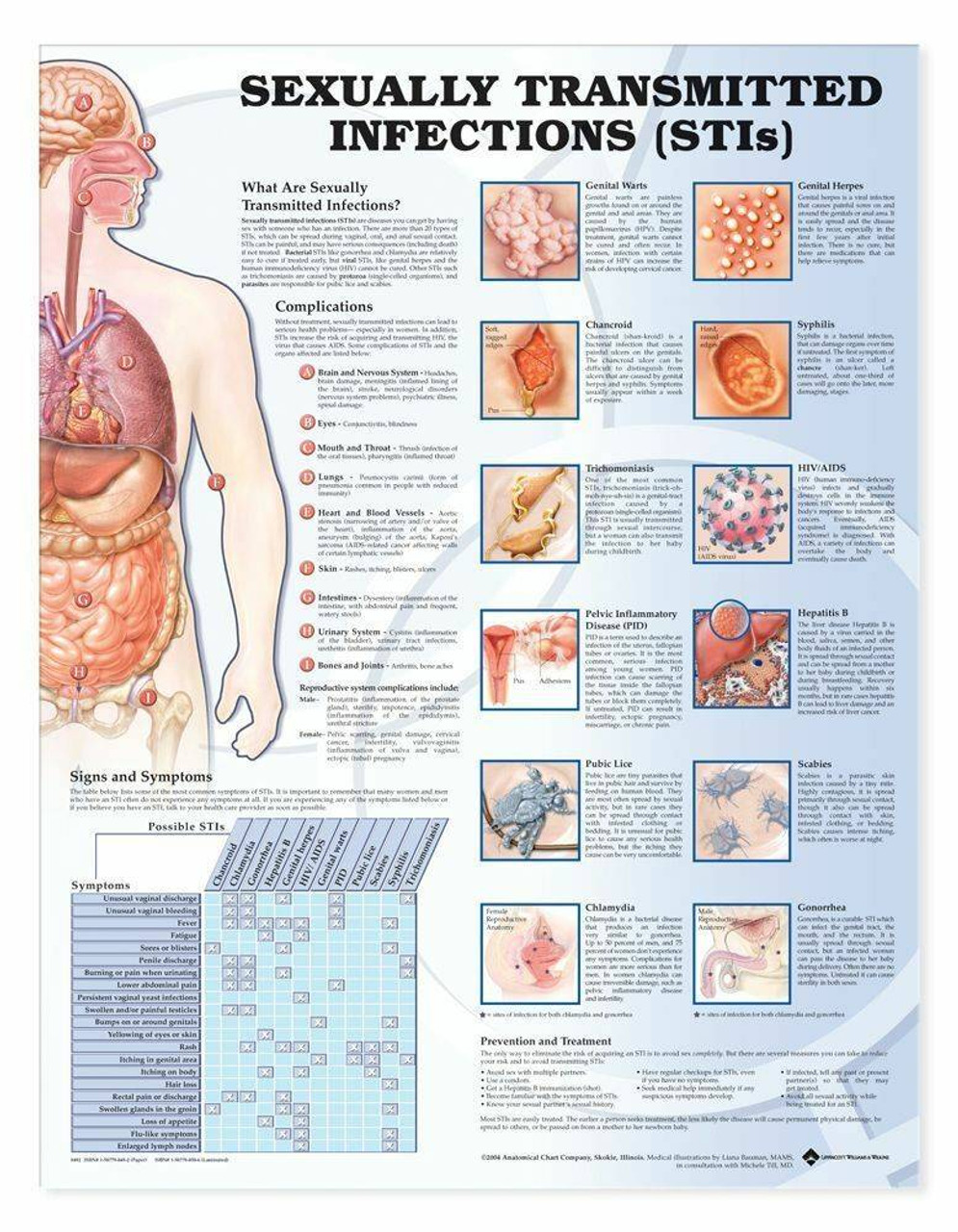
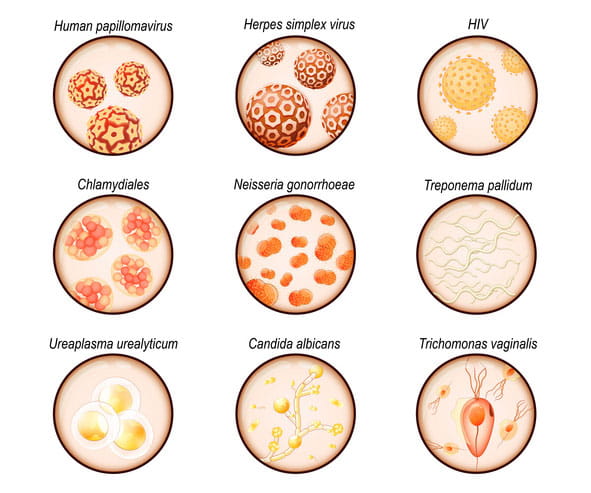
STIs are infections passed from one person to another during sex. This includes vaginal, anal, or oral sex. Some STIs are caused by bacteria (like chlamydia and gonorrhea), others by viruses (like HIV and herpes), and some by parasites (like trichomoniasis). There are over 30 types of STIs, but a few are the most common.
STIs do not always cause symptoms. Many people have an STI and do not know it. This is why regular testing and safe sex are so important.
Most Common Types Of Stis
Here are some of the most frequent STIs seen in clinics worldwide:
- Chlamydia: Caused by bacteria. Often no symptoms. Can lead to infertility if untreated.
- Gonorrhea: Also bacterial. Symptoms include pain when urinating and discharge.
- Syphilis: Starts as a painless sore. Can cause serious problems if not treated.
- Human Papillomavirus (HPV): Very common virus. Some types cause genital warts, others cause cancer.
- Herpes Simplex Virus (HSV): Two types. HSV-1 can cause oral herpes; HSV-2 usually causes genital herpes.
- Human Immunodeficiency Virus (HIV): Weakens the immune system. Untreated, it leads to AIDS.
- Trichomoniasis: Caused by a parasite. Can cause itching, burning, and discharge.
- Hepatitis B and C: Affect the liver. Can be passed sexually or through blood.
How Stis Spread
Most STIs are spread through direct sexual contact. This includes:
- Vaginal, anal, or oral sex
- Sharing sex toys
- Close skin-to-skin contact (for herpes, HPV)
Some STIs, like HIV and hepatitis, can also spread through blood. For example, sharing needles or from mother to child during birth.
Symptoms Of Stis
Many STIs do not cause obvious symptoms. When symptoms do appear, they can include:
- Painful urination
- Unusual discharge from penis or vagina
- Itching or irritation
- Sores or blisters around genitals, mouth, or anus
- Pain during sex
Some people ignore mild symptoms or confuse them with other issues. This is a common mistake and can lead to problems later.
Credit: anatomywarehouse.com
Diagnosing Stis
Testing for STIs is simple and confidential. Doctors may use:
- Urine tests
- Blood tests
- Swabs from the genital area
You do not need to wait for symptoms. Regular testing is important if you are sexually active, especially with new partners.
Treatment And Prevention
Treatment Options
Most bacterial STIs, like chlamydia and gonorrhea, can be cured with antibiotics. Viral STIs, such as herpes and HIV, cannot be cured but can be managed with medicines. Early treatment stops complications and prevents spreading to others.
Prevention Methods
To lower your risk:
- Use condoms every time
- Get vaccinated (HPV, hepatitis B)
- Limit number of sexual partners
- Regular testing
- Avoid sharing needles
Some people wrongly believe condoms protect against all STIs. In fact, some infections like herpes and HPV can spread through skin contact, even when condoms are used.
Data And Comparisons
To understand how common STIs are and their impact, here is a comparison of global infection rates:
| STI | Estimated Cases (Yearly, Worldwide) | Main Age Group Affected |
|---|---|---|
| Chlamydia | 129 million | 15-24 |
| Gonorrhea | 82 million | 15-29 |
| Syphilis | 7.1 million | 20-34 |
| HPV | 290 million | 15-44 |
STIs are more common in younger people. Many do not realize they have an infection, so rates may be even higher.
Now, let's compare bacterial and viral STIs by treatment and symptoms:
| Type | Example | Treatment | Symptoms |
|---|---|---|---|
| Bacterial | Chlamydia | Antibiotics | Usually mild or none |
| Bacterial | Gonorrhea | Antibiotics | Pain, discharge |
| Viral | Herpes | Antiviral drugs | Sores, blisters |
| Viral | HIV | Antiretroviral therapy | Weak immune system |
Effects Of Untreated Stis
Ignoring an STI can lead to:
- Infertility
- Chronic pain
- Increased risk of HIV
- Cancer (especially with HPV)
- Complications during pregnancy
Some STIs can also affect babies, causing serious health problems.
Credit: www.upmc.com
Breaking The Stigma
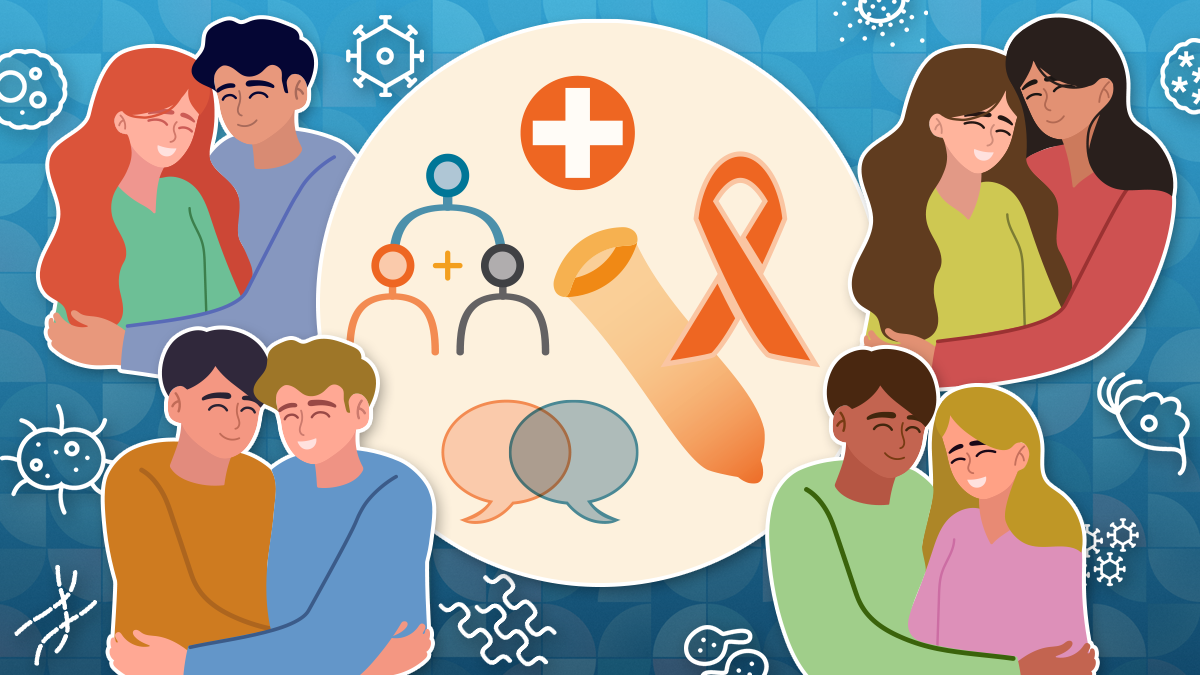
Many people avoid talking about STIs because they feel ashamed. But STIs are just infections, like any other. Anyone who is sexually active can get an STI, regardless of age or background. Open conversation and education help prevent spread and support those affected.
Practical Insights Many Miss
- Silent infections: Many STIs cause no symptoms. Regular testing is the only way to know.
- Skin-to-skin risk: Not all STIs need intercourse. Skin contact can transmit herpes and HPV.
- Partner treatment: If you have an STI, your partner needs treatment too. This prevents re-infection.
- Vaccines available: HPV and hepatitis B vaccines are highly effective but often overlooked.
Credit: www.cdc.gov
Frequently Asked Questions
What Is The Difference Between Stis And Stds?
STIs are infections, while STDs are diseases caused by those infections. You may have an infection without symptoms, but a disease means symptoms are present.
Can You Get An Sti Without Having Sex?
Yes. Some STIs spread through skin contact, blood, or from mother to baby during birth. Sharing needles also increases risk.
How Often Should You Get Tested For Stis?
If you are sexually active, especially with new partners, test every 6–12 months. If you notice symptoms, get tested right away.
Are Condoms 100% Effective Against Stis?
No. Condoms greatly reduce risk, but some STIs, like herpes and HPV, can still spread through skin contact. Condom use is still important.
Where Can I Get Reliable Information About Stis?
You can find trustworthy information at official health sites, such as CDC.
Understanding sexually transmitted infections is the first step to keeping yourself healthy. Don't let fear or shame stop you from getting tested or asking questions. STIs can affect anyone, and knowledge is the best defense. Stay informed, practice safe habits, and support open conversations about sexual health.

