
Are you confident in your knowledge about reproductive health? Understanding this vital topic can empower you to make smarter decisions for your body and future.
When you learn about reproductive health, you gain more than facts—you gain control, confidence, and the tools to protect yourself from risks like unwanted pregnancies and infections. Imagine feeling secure and informed every step of the way. This article will reveal the powerful benefits reproductive health education offers you and those around you.
Keep reading to discover how it can transform your well-being and confidence.
Credit: bocahindonesia.com
Health Benefits
Reducing teenage pregnancy happens because young people learn about choices. They understand how to protect themselves better. This knowledge helps them wait until they are ready for parenthood. It also lowers the chance of unplanned pregnancies.
Preventing sexually transmitted infections is easier with good education. Teens learn how infections spread and how to stay safe. They gain skills to say no or use protection. This reduces illness and keeps them healthy.
Improving maternal health means mothers get better care before and during pregnancy. Education teaches about nutrition, check-ups, and warning signs. Healthy mothers have healthier babies and fewer problems during birth. This leads to stronger families and communities.
Emotional Empowerment
Building self-confidence helps young people feel sure about themselves. It makes them trust their choices and respect their feelings. Fostering a positive body image teaches kids to love their bodies as they are. This helps reduce shame and fear about changes during growth.
Encouraging healthy relationships guides youth to treat others with kindness and respect. It helps them understand boundaries and communicate clearly. Such education creates a safe space where feelings are valued and respected.
Knowledge And Awareness
Reproductive health education helps clear up many common myths and wrong ideas. It teaches facts about bodies and changes during puberty. This helps young people feel more confident and less scared. It also promotes safe practices, like using protection to prevent infections and unwanted pregnancies.
Learning about fertility and contraception helps people plan when to have children. It teaches about different birth control methods and how they work. This knowledge supports healthier choices and fewer health risks. Understanding these topics builds respect for one’s body and others’ choices.

Credit: www.cdc.gov
Gender Equality
Challenging gender stereotypes helps children see all roles as equal. It breaks old ideas about what boys and girls should do. This opens minds to respect and fairness. Teaching about sexual and gender rights supports everyone’s freedom to be themselves. It helps people understand and accept different identities and choices. This creates a safer, kinder community.
Reducing gender-based violence is key to healthy lives. Education shows why violence is wrong and how to stop it. It teaches respect and care for others. Young people learn to speak up and seek help. This makes schools and homes safer places for everyone.
Social And Economic Impact
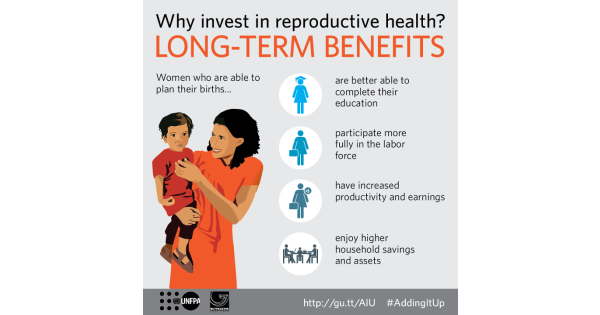
Reproductive health education helps students stay focused and complete school. It teaches facts about the body and changes during puberty. This knowledge reduces fear and confusion.
Teaching about reproductive health lowers healthcare costs. Fewer unplanned pregnancies and infections mean less money spent on treatment. Early education also prevents costly health problems later.
Communities become stronger when people understand reproductive health. Education gives individuals confidence to make smart choices. It promotes respect, safety, and better family planning.
Access To Services
Contraceptive availability helps people choose safe birth control methods. It prevents unplanned pregnancies and supports family planning. Easy access to contraceptives improves health and reduces stress.
Maternal and infant care ensures mothers get health checkups during pregnancy. It helps detect problems early and keeps babies healthy. Proper care lowers risks of complications for both mother and child.
Support for sexual health issues offers counseling and treatment for infections and concerns. It promotes open talks about body changes and feelings. This support builds trust and encourages healthy choices.
Credit: www.guttmacher.org
Frequently Asked Questions
What Is The Importance Of Reproductive Health Education?
Reproductive health education promotes informed decisions, reduces teen pregnancy and STIs, builds self-confidence, and supports overall well-being. It fosters healthy attitudes and gender equality, improving community health and development outcomes.
What Are The 5 Importances Of Reproductive Health?
Reproductive health ensures healthy pregnancies, prevents sexually transmitted infections, promotes informed family planning, supports mental well-being, and advances gender equality.
What Are The Benefits Of Reproductive Health?
Reproductive health improves fertility awareness, promotes healthy pregnancies, reduces maternal deaths, and lowers risks of STIs and unintended pregnancies. It fosters positive body image, boosts self-confidence, and supports overall physical and mental well-being.
Why Is It Important To Maintain Good Reproductive Health?
Maintaining good reproductive health prevents diseases, supports healthy pregnancies, enhances fertility awareness, and promotes overall well-being and confidence.
Conclusion
Reproductive health education builds knowledge and confidence in youth. It helps prevent diseases and unplanned pregnancies. Understanding the body encourages respect and healthier choices. Communities benefit from lower health risks and stronger families. Teaching this early creates a foundation for lifelong wellness.
Everyone gains when people make informed health decisions. This education supports equality and empowers individuals to thrive. Investing in reproductive health education leads to healthier futures for all.

