
Puberty is a time full of changes, questions, and sometimes confusion. You might have heard many stories or beliefs about what happens during this phase, but not all of them are true.
These myths can make you feel worried or unsure about your body. What if you could separate fact from fiction and understand exactly what to expect? Keep reading to uncover the most common myths and misconceptions about puberty—and discover the real truth that will help you feel confident and informed every step of the way.
Common Puberty Myths
Puberty brings many changes to the body and mind. Some ideas about puberty are not true. These common myths can confuse young teens and parents. Understanding the facts helps everyone feel more comfortable during this time.
Puberty Happens Overnight
Many believe puberty starts and finishes very fast. The truth is puberty takes years to complete. Changes happen slowly and at different times. Each person’s growth is unique and gradual.
Only Teens Experience Mood Swings
Mood swings are common during puberty but not only for teens. Hormone changes can affect feelings at many ages. Adults and children can also feel sudden mood shifts. It is a normal part of life.
Growth Spurts Are Predictable
Some think growth spurts happen at the same age for everyone. Growth speed and timing vary widely. Genetics and health influence when and how fast a child grows. No set schedule fits all kids.
Acne Is Caused By Poor Hygiene
Acne is often blamed on dirt and poor washing habits. Acne mostly results from hormone changes inside the body. Cleaning the skin helps but does not stop acne alone. Good skincare and sometimes doctor advice are needed.

Credit: www.scribd.com
Misconceptions About Physical Changes
Puberty brings many changes to the body. Some changes cause confusion and worry. Many myths exist about these physical changes. Knowing the truth helps teens feel more comfortable and confident. Clearing up these myths is important for healthy growth.
Body Hair Is Unhealthy
Some believe body hair is dirty or bad. This is not true. Body hair is natural and healthy. It helps protect the skin from germs and dirt. Everyone grows hair in new places during puberty. It shows the body is maturing as it should.
Breast Development Means You’re Ready
Breast growth does not mean a person is ready for adult activities. It is just a normal sign of puberty. The body changes at its own pace. Emotional and mental readiness comes much later. Physical changes alone do not show full maturity.
Voice Changes Are Permanent Immediately
Many think voice changes happen all at once. The voice actually changes slowly over time. It can crack and vary before settling. This is normal during puberty. The deep voice becomes steady after some months or years.
Myths Around Emotional Changes
Emotional changes during puberty are often misunderstood. Many myths confuse normal feelings with serious problems. These myths create fear and wrong ideas about growing up. Understanding the truth helps teens and parents handle emotions better. It also reduces stress and improves support.
Mood Swings Mean Mental Illness
Mood swings are a normal part of puberty. Hormones cause quick changes in feelings. One moment happy, the next sad or angry. This does not mean mental illness. Most teens do not have mental health problems. Mood swings usually pass with time and support.
It is important to watch for extreme or long-lasting changes. If a teen feels very sad for weeks, they may need help. But normal mood swings are common and natural. Teens need patience and understanding, not judgment.
Puberty Causes Instant Personality Changes
Many think puberty changes personality overnight. This is not true. Personality grows slowly over years. Puberty can make teens act different sometimes. They explore new interests and ideas. This is part of learning who they are.
Sudden behavior changes may happen but they are not permanent. Teens may test limits or feel confused. These are signs of growth, not a new personality. Support and clear communication help teens find their true selves.

Credit: www.youtube.com
Sexual Development Myths
Sexual development during puberty brings many changes. Many myths confuse young people and parents alike. These myths create fear and misunderstanding. Knowing the truth helps teens feel more confident. It also supports healthy growth and self-awareness.
Puberty Equals Immediate Sexual Desire
Many believe puberty causes instant sexual desire. This is not true. Puberty starts physical changes, but feelings develop slowly. Some teens may feel curious early. Others take more time to understand their feelings. Sexual desire varies greatly among individuals. It depends on many factors, not just hormones.
Periods Are Always Painful
Many think all girls feel pain during periods. Some girls have pain, but many do not. Pain levels change from person to person. Mild cramps are common and normal. Severe pain is less common and may need help. Knowing this helps reduce fear about periods.
Wet Dreams Are A Sign Of Illness
Wet dreams happen naturally during puberty. They are not a sign of illness or dirtiness. Wet dreams mean the body is working well. They happen when the body releases built-up fluids. Teens should know this is normal and healthy. Talking openly about wet dreams reduces shame and confusion.
Debunking Myths With Science
Many ideas about puberty are not true. These myths cause confusion and worry. Science helps us understand what really happens during puberty. It clears up wrong ideas and explains facts simply. Learning real information helps young people and parents feel better about changes.
Hormones And Their Real Role
Hormones are chemicals that control growth and changes in the body. They do not cause mood swings all the time. Mood changes happen because the brain is learning to handle new feelings. Hormones work slowly and carefully. They help the body develop in a healthy way, not suddenly or wildly.
Individual Differences In Puberty
Every person grows at their own speed. Some start puberty earlier or later than others. This is normal and natural. There is no set age to begin or finish puberty. Bodies and voices change differently for everyone. Comparing yourself to others is not useful or fair.
Importance Of Healthy Habits
Good food and enough sleep help the body grow strong. Exercise supports healthy bones and muscles. Healthy habits make puberty easier and less stressful. Avoiding junk food and getting rest help the body adjust well. Taking care of yourself is the best way to support growth.
Supporting Teens Through Puberty
Supporting teens through puberty is important for their growth and confidence. This phase brings many changes that can feel confusing or scary. Teens need understanding and clear information to handle these changes well. Adults can help by creating a safe space for questions and feelings. Trust builds stronger connections and helps teens face puberty with less fear.
Effective Communication Tips
Speak openly and listen carefully to your teen. Use simple words and short sentences. Avoid judging or interrupting their thoughts. Show patience and kindness in every talk. Encourage questions and answer honestly. Share your own experiences to build trust. Keep conversations regular, not just once in a while. This helps teens feel supported all the time.
When To Seek Medical Advice
Some puberty changes need a doctor’s check. Delays or extreme changes can signal health issues. Talk to a doctor if growth is very slow or fast. Seek help if mood swings or pain are severe. Medical advice ensures the teen’s body is developing well. Don’t wait long to get professional guidance. Early help can prevent bigger problems later.
Promoting Body Positivity
Help teens accept their changing bodies with kindness. Avoid negative comments about weight or looks. Focus on health, not just appearance. Praise strengths and unique traits regularly. Teach that every body grows at its own pace. Encourage self-care habits like good food and exercise. Positive views build confidence and reduce stress. A healthy mind grows with a healthy body.
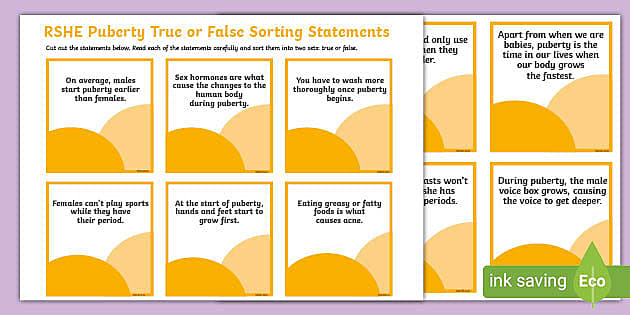
Credit: www.twinkl.com
Frequently Asked Questions
What Are Common Puberty Myths Teens Believe?
Many teens think puberty happens overnight or the same for everyone. The truth is, it is a slow, unique process for each person. Myths often confuse normal changes with problems.
Does Puberty Cause Sudden Mood Swings Always?
Puberty can bring mood changes due to hormones. But not everyone feels extreme swings. Stress and environment also affect emotions during this time.
Can Puberty Start Before Age 8?
Puberty usually starts between ages 8 and 13, but early puberty can happen. Early signs need medical check if they appear very young. It’s rare but important to watch.
Is Acne A Sign Of Poor Hygiene During Puberty?
Acne is mostly caused by hormones, not dirt. Washing face gently helps but won’t stop all pimples. Good skincare and sometimes doctor advice are needed.
Do All Boys Grow Taller At The Same Rate During Puberty?
Boys grow taller at different speeds during puberty. Some have growth spurts early, others later. Genetics and health play big roles in growth timing.
Conclusion
Puberty brings many changes, but myths cause confusion. Knowing the facts helps teens feel more confident. Common myths often create unnecessary fear or shame. Everyone experiences puberty differently, and that’s okay. Trust science and reliable sources for true information. Talk openly with parents or teachers about questions.
Understanding puberty better leads to healthier, happier growth. Myths don’t define this important life stage. Stay curious and keep learning about your body.

