
Missing periods can worry many girls and women. It is normal to feel confused or scared when periods stop. But there are many reasons why periods may not come on time. Some reasons are simple and easy to fix. Others need a doctor’s help. This article will explain common reasons for not getting periods.
Credit: www.firstresponse.com
What Is a Period?
A period happens when the body releases blood from the uterus. This usually happens every month. It is a sign that the body is healthy and working well. Most girls start having periods between ages 9 and 15. The time between each period is called a menstrual cycle.
When Should You Worry?
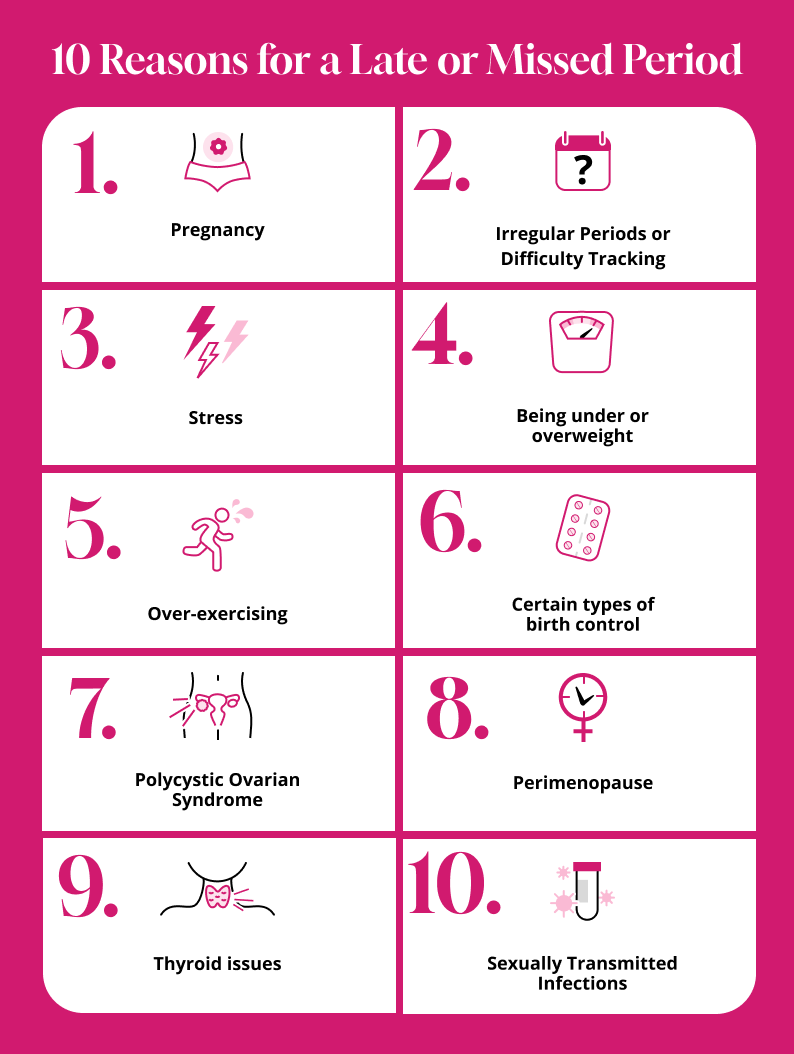
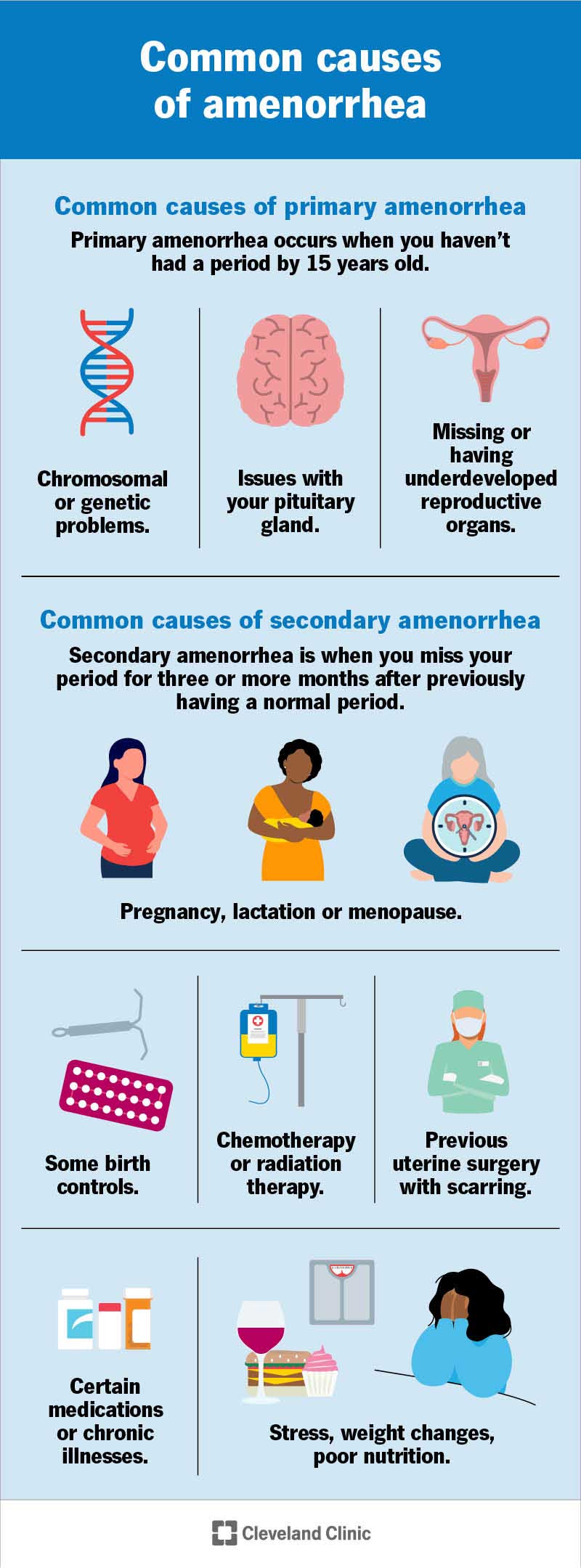
Sometimes, missing one period is normal. But if periods stop for more than three months, it is called amenorrhea. This needs attention. Also, if you never had a period by age 15, talk to a doctor. Missing periods can have many causes. Let’s look at the main reasons.
Common Reasons for Missing Periods
1. Pregnancy
Pregnancy is the most common reason for missing periods. When a woman is pregnant, her body stops the monthly cycle. If you are sexually active and miss a period, think about pregnancy first. Take a home pregnancy test or see a doctor.
2. Stress
Stress can affect the body in many ways. When you are very stressed, your brain sends signals to stop periods. Stress may be from school, family, or other worries. If stress lasts long, periods may stop. Relaxing and talking to someone can help.
3. Weight Changes
Being very thin or very heavy can stop periods. Body fat helps make hormones that cause periods. If you lose too much weight fast, periods may stop. Also, gaining too much weight quickly can cause problems. Keeping a healthy weight is important.
4. Exercise
Too much exercise can stop periods. Athletes or dancers often miss periods because their bodies are very active. If you exercise hard every day without resting, periods might stop. It is good to balance exercise and rest.
5. Illness Or Medical Conditions
Some diseases can stop periods. Problems with the thyroid, a small gland in the neck, can change your cycle. Polycystic Ovary Syndrome (PCOS) is a condition that causes hormone problems. It can make periods irregular or stop. Diabetes and other illnesses can also affect periods.
6. Medications
Some medicines can stop or delay periods. Birth control pills, certain antidepressants, and medicines for other diseases may change periods. Always tell your doctor about your medicines if you miss periods.
7. Menopause
Women usually stop having periods after age 45-55. This is called menopause. It is a natural change. Periods slow down and stop. But if a young woman misses periods, menopause is not the reason.
8. Problems With Reproductive Organs
Sometimes, problems in the uterus or ovaries cause missing periods. Scars, infections, or growths can block periods. Surgery or injuries may also affect periods. A doctor can check for these problems.
How to Know Why You Are Missing Periods
Missing periods needs attention if it happens more than once or for many months. Here are some steps to find the reason:
- Track your periods: Write down when you start and stop each period.
- Notice other changes: Are you gaining weight, feeling tired, or having hair loss?
- Check your lifestyle: Are you stressed, exercising too much, or eating less?
- Take a pregnancy test: If you are sexually active, this is important.
- Visit a doctor: A doctor can do tests to find the cause.
Tests a Doctor May Do
Doctors can use tests to understand why periods stop:
| Test | Purpose |
|---|---|
| Blood Test | Checks hormone levels like thyroid, estrogen, and progesterone. |
| Pregnancy Test | To confirm or rule out pregnancy. |
| Ultrasound | Looks at uterus and ovaries for problems. |
| Physical Exam | Checks for signs of illness or body changes. |
Credit: my.clevelandclinic.org
Simple Ways to Help Periods Return
If you miss periods, some changes may help:
- Eat balanced meals: Include fruits, vegetables, and proteins.
- Keep a healthy weight: Avoid extreme weight loss or gain.
- Manage stress: Try deep breathing, meditation, or talk to friends.
- Exercise wisely: Avoid very hard exercise without rest.
- Get enough sleep: Sleep helps your body stay healthy.
When to See a Doctor
See a doctor if:
- You miss three or more periods in a row.
- You never had a period by age 15.
- You have pain, bleeding, or other problems.
- You think you might be pregnant but tests say no.
- You feel very tired, weak, or have other health issues.
Doctors can help find the reason and give treatment. Do not wait or feel shy to ask for help.
Frequently Asked Questions
Why Am I Not Getting My Period On Time?
Periods can be late due to stress, changes in weight, or hormone imbalances. Sometimes, illness or travel can also delay your cycle.
Can Stress Cause Missed Periods?
Yes, stress affects hormone levels that control your menstrual cycle. High stress may stop your period temporarily.
Could Weight Changes Stop My Periods?
Both sudden weight loss and gain can disrupt your cycle. Your body needs a balance of fat to produce hormones for periods.
When Should I See A Doctor For Missed Periods?
See a doctor if your period is absent for three months or more. Also, visit if you have severe pain or unusual symptoms.
Conclusion
Missing periods can happen for many reasons. Pregnancy, stress, weight changes, exercise, illness, and medicines are common causes. Most reasons can be fixed with care and help. Tracking periods and watching your health is important. If periods stop for a long time, see a doctor. Taking care of your body helps keep periods regular and your health strong.

