
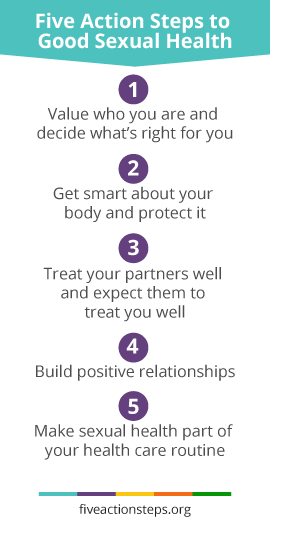
Maintaining sexual health is important for everyone, no matter your age or background. Good sexual health is not just about avoiding diseases. It also means feeling comfortable and confident in your own body, enjoying relationships, and understanding your own needs.
Many people think this topic is only about sex, but it’s much broader. It covers physical, mental, and emotional well-being. By taking care of your sexual health, you improve your quality of life and build safer, more satisfying connections with others.
Understanding Sexual Health
Sexual health involves more than just the absence of sexually transmitted infections (STIs). It’s about a positive approach to sexuality and relationships. Feeling safe, respected, and free to make choices are key parts. Many people miss the fact that emotional health is linked to sexual health. Stress, anxiety, and shame can all affect your sexual well-being.
Safe Sex Practices
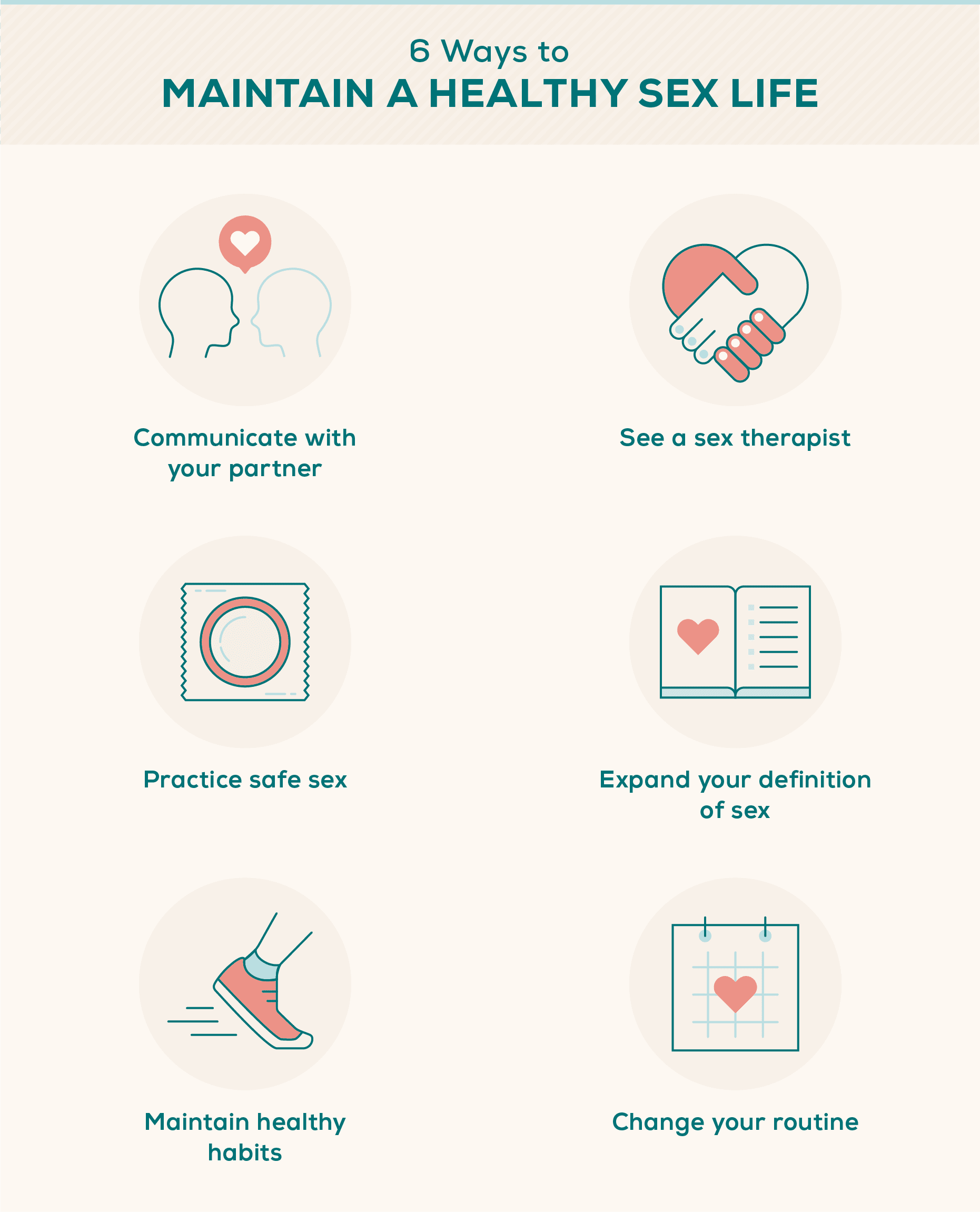
One of the most important parts of sexual health is practicing safe sex. This reduces the risk of STIs and unplanned pregnancies. Here are some simple but effective steps:
- Use condoms or dental dams every time you have sex. They are the most reliable way to protect against most STIs.
- Get regular STI screenings. Many infections show no symptoms, so testing is key even if you feel healthy.
- Limit the number of sexual partners. The more partners you have, the higher your risk.
- Talk openly with your partner about sexual history and health before becoming intimate.
Some beginners forget that even oral and anal sex can transmit infections. Protection matters in all sexual activities.
Communication And Consent
Good communication is the heart of any healthy sexual relationship. Always ask for and give clear consent before any sexual activity. Consent means both people freely agree to what happens, without pressure.
- Use simple, direct language to talk about boundaries and desires.
- Listen actively to your partner’s words and body language.
- Remember, consent can be withdrawn at any time.
Lack of communication can lead to misunderstandings or even harm. Many people overlook that discussing uncomfortable topics, like past STI exposure, actually builds trust.
Preventing And Managing Stis
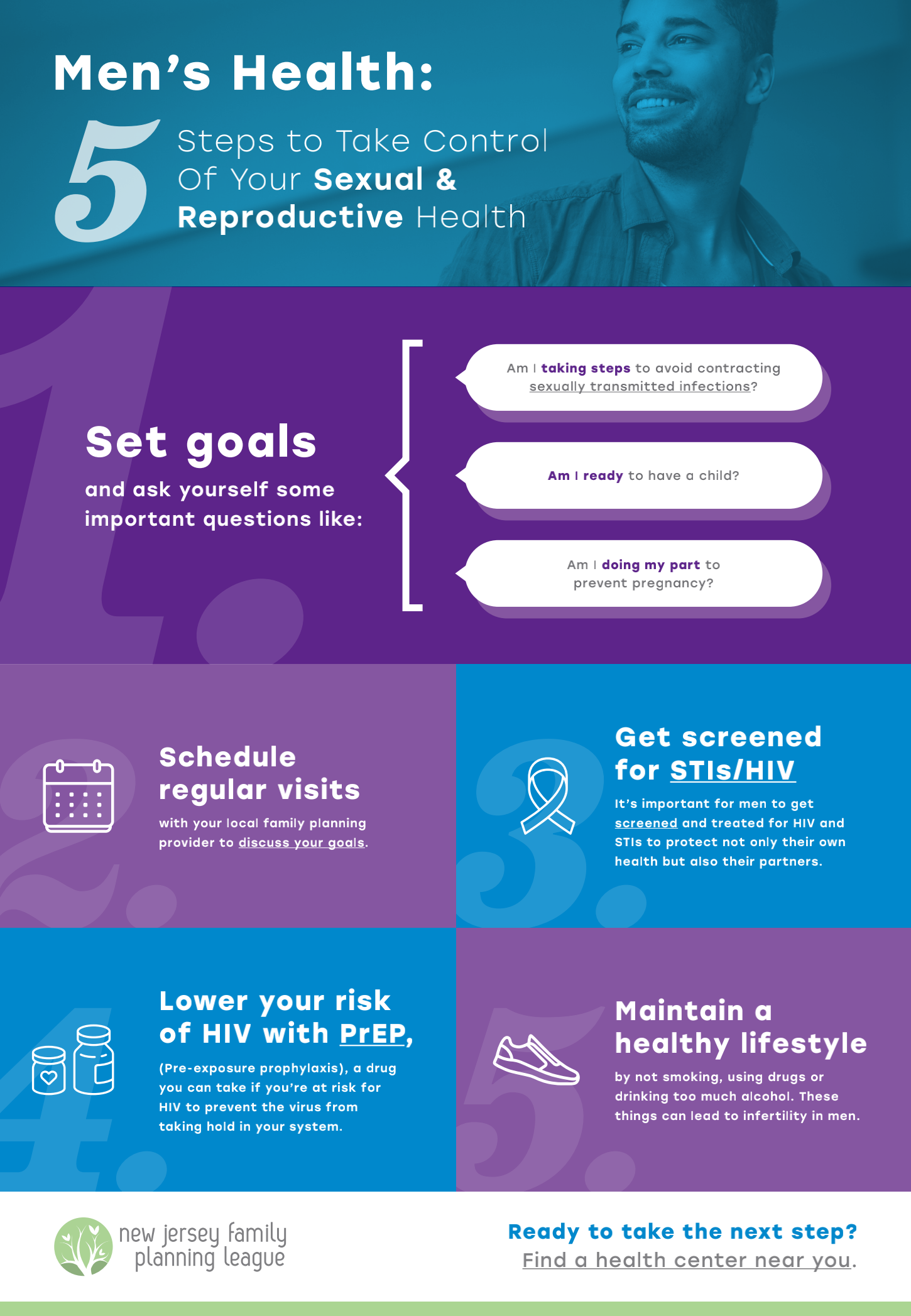
Sexually transmitted infections are common, but you can reduce your risk. Some STIs, like chlamydia and gonorrhea, can be cured with antibiotics. Others, such as HIV and herpes, can be managed with treatment.
Here’s a quick comparison of common STIs:
| STI | Main Symptoms | Cure/Treatment |
|---|---|---|
| Chlamydia | Painful urination, discharge | Antibiotics (cure) |
| Herpes | Sores, itching | Antivirals (manage) |
| HIV | Fatigue, fever, weight loss | Antiretrovirals (manage) |
| HPV | Warts, often no symptoms | Vaccination, manage symptoms |
Regular checkups with your doctor are essential. Many people believe symptoms always show, but several STIs are “silent. ” Testing is the only way to know for sure.
Credit: www.nsvrc.org
Emotional And Mental Well-being
Sexual health is closely tied to mental health. Anxiety, depression, and stress can all reduce desire and satisfaction. Feeling confident in your body and comfortable with your sexuality makes intimacy better.
- Practice self-care, like exercise and enough sleep.
- Discuss your feelings with your partner.
- Seek help from a counselor or doctor if you notice ongoing problems.
It’s easy to overlook how much stress from work or family can affect your sex life. Sometimes, addressing mental health first leads to better sexual health.
Hormonal And Physical Health
Your hormones and overall physical condition play big roles in sexual health. Low testosterone or estrogen, for example, can cause low libido or discomfort during sex. Chronic illnesses like diabetes or heart disease can also have an impact.
Here’s a comparison of factors and their possible effects:
| Factor | Possible Impact on Sexual Health |
|---|---|
| Obesity | Lower libido, erectile problems |
| Diabetes | Nerve damage, reduced arousal |
| Low hormones | Painful sex, low interest |
| Medications | Reduced desire, difficulty climaxing |
If you notice changes in your sexual desire or function, talk to a healthcare provider. Don’t assume it’s just age. Sometimes a small change—like a new medication—can be the cause.
Credit: njfpl.org
Healthy Lifestyle Choices
Good health habits support sexual health. Here are some simple but often missed tips:
- Eat a balanced diet. Foods rich in zinc and antioxidants boost sexual function.
- Stay active. Exercise increases blood flow and energy.
- Avoid smoking and limit alcohol. Both can reduce performance and desire.
- Sleep well. Lack of sleep can lower libido and cause fatigue.
Many people don’t realize that poor sleep is a leading cause of low sexual interest. Even one bad night can make a difference.
Building Healthy Relationships
Strong, respectful relationships are a foundation for good sexual health. Respect, trust, and emotional connection make intimacy safer and more enjoyable.
- Make time for your partner outside the bedroom.
- Share feelings and listen with empathy.
- Seek help together if you face challenges.
A common mistake is focusing only on physical aspects. Emotional closeness is often what people remember most.
When To Seek Help
Don’t hesitate to contact a doctor or counselor if you have:
- Pain during sex
- Ongoing lack of desire
- Persistent erection problems
- Unusual discharge or sores
Many people wait too long to seek help, thinking issues will go away on their own. Quick action leads to better results.
For more detailed information, you can visit the Centers for Disease Control and Prevention.
Taking care of your sexual health is a lifelong process. With the right steps, you’ll enjoy better well-being and stronger relationships. Remember, everyone’s needs are different. Don’t be afraid to learn, ask questions, and seek support when needed.
Frequently Asked Questions
What Is Sexual Health?
Sexual health means more than avoiding diseases. It includes physical, mental, and social well-being in relation to sexuality.
How Often Should I Get Tested For Stis?
If you are sexually active, get tested at least once a year. Test more often if you have multiple partners or new partners.
Can Emotional Problems Affect My Sex Life?
Yes, issues like stress, anxiety, and depression can lower desire and make sex less satisfying. Managing emotional health is important.
Are Condoms 100% Effective?
No method is perfect, but condoms greatly reduce the risk of most STIs and unplanned pregnancy if used correctly.
When Should I Talk To A Doctor About Sexual Health?
See a doctor if you notice pain, changes in desire, unusual symptoms, or if you have questions about safe sex and relationships.
Credit: www.everlywell.com

