
Sexual health screening is often misunderstood. Many people think it’s only about checking for sexually transmitted infections (STIs). But screening is much broader. It’s a key part of staying healthy, preventing problems, and protecting your partner. If you’ve never had a sexual health check or you’re unsure what it involves, this guide will walk you through the process step by step.
You’ll see how easy it can be, why it matters, and what to expect.
What Is Sexual Health Screening?
Sexual health screening is a set of tests and questions that help find problems related to your sexual health. The main goal is to detect infections, diseases, and other issues early. Screening can cover:
- STIs like chlamydia, gonorrhea, syphilis, and HIV
- Physical problems (such as lumps or sores)
- Other concerns (like fertility or sexual function)
Screening is not only for people with symptoms. Even if you feel healthy, regular checks are important, especially if you have a new partner or multiple partners.
Why Is Screening Important?
Early detection means treatment is easier and more effective. For many STIs, you may have no symptoms. Without screening, you could pass infections to others or face serious health risks later. For example, untreated chlamydia can cause infertility. HIV, if caught early, can be managed well with medication.
According to the World Health Organization, over 1 million STIs are acquired globally every day. Many go unnoticed for years. Screening is a simple way to avoid hidden problems.
What Happens During Sexual Health Screening?
Let’s break down the typical steps:
1. Medical History And Questions
Your doctor or nurse will ask about:
- Symptoms: Any pain, discharge, itching, or sores
- Sexual activity: Number of partners, types of sex, protection used
- Past STIs and treatments
- Menstrual history for women
- Contraception use
These questions are private and help choose which tests you need. Honest answers make the process safer and more effective.
2. Physical Examination
Depending on your situation, a physical exam may be done. This usually includes:
- Checking genitals for sores, lumps, redness, or discharge
- Examining mouth, throat, and anus if relevant
The exam is quick and respectful. You can ask for a same-gender doctor if you prefer.
3. Sample Collection
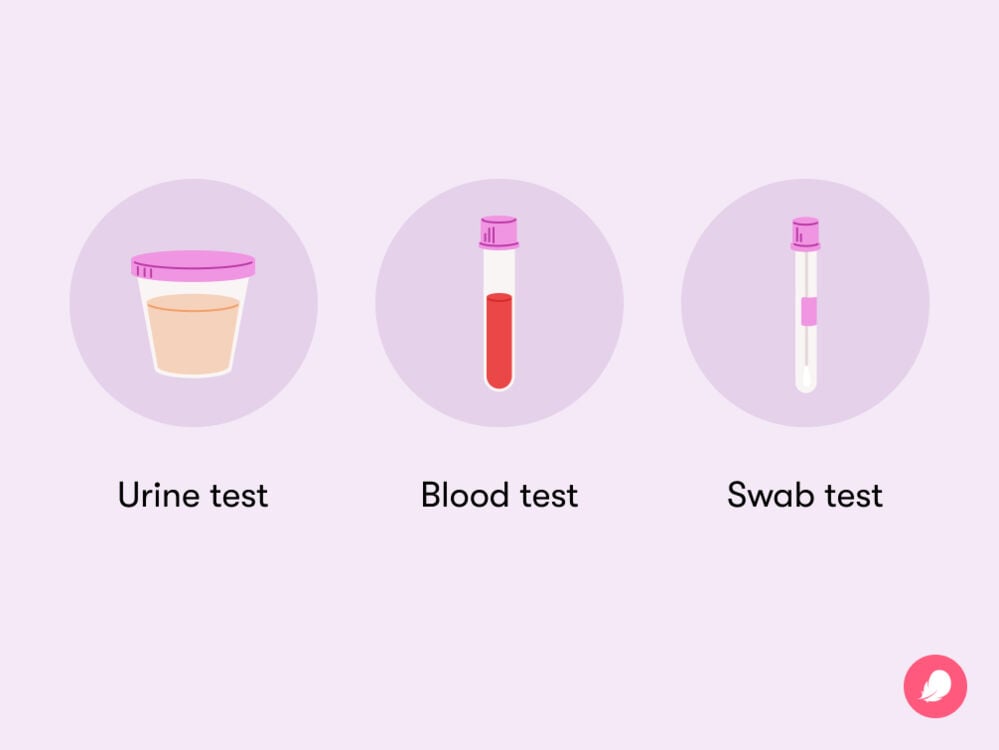
Several types of samples may be taken:
| Sample Type | What It Checks | How Collected |
|---|---|---|
| Urine | Chlamydia, gonorrhea | You provide a sample in a cup |
| Blood | HIV, syphilis, hepatitis | A small needle draws blood |
| Swab | Herpes, HPV, bacterial infections | Swab from genitals, throat, or anus |
You may need one or more tests based on your risks and symptoms.
4. Laboratory Testing
Samples are sent to a lab for analysis. Most results come back in a few days. Some clinics offer rapid tests for HIV or syphilis, giving results in 20–30 minutes.
5. Discussion Of Results
Your healthcare provider will explain your results. If something is positive, you’ll discuss treatment options. If all tests are negative, you’ll get advice on staying healthy.
What Does Screening Test For?
Sexual health screening covers a range of infections and issues. Here are the most common:
| Infection/Disease | Symptoms | Detection Method |
|---|---|---|
| Chlamydia | Often none, sometimes discharge or pain | Urine or swab test |
| Gonorrhea | Discharge, pain, sometimes none | Urine or swab test |
| Syphilis | Sores, rash, fever | Blood test |
| HIV | None at first, then fever, fatigue | Blood test |
| HPV | Warts, often none | Swab or visual exam |
| Herpes | Sores, itching, pain | Swab or blood test |
| Hepatitis B/C | Fatigue, jaundice, often none | Blood test |
Some clinics also check for other problems, such as bacterial vaginosis or yeast infections, especially if you have symptoms.
How Often Should You Get Screened?
There is no single answer. It depends on your risk. Here are general guidelines:
- If you have a new partner: Get screened before sex
- If you have multiple partners: Screen every 6–12 months
- If you have symptoms: Get checked immediately
- Pregnant women: Screen as part of prenatal care
Men who have sex with men, sex workers, and people with HIV may need more frequent checks.
What To Expect From Results And Next Steps
Most people have negative results. If you test positive, treatment is usually easy and effective. Antibiotics can cure many STIs. For viral infections (like HIV or herpes), medication can manage symptoms and reduce transmission.
If you have an infection, you should:
- Start treatment quickly
- Inform your partner(s) so they can be checked
- Avoid sex until cleared by your doctor
A non-obvious insight: Even if you test negative, some infections have a “window period.” This means the test may not catch early infections. If you had risky sex recently, ask your doctor if you need follow-up tests.

Credit: redwoodpharmacy.co.uk
Privacy And Confidentiality
Sexual health screening is private. Results and discussions are confidential. Healthcare providers are trained to respect your privacy. Don’t be afraid to ask questions or request more privacy if you need it.
Common Mistakes To Avoid
- Assuming you’re safe because you have no symptoms: Many STIs are silent.
- Skipping follow-up: If your doctor recommends repeat testing, don’t ignore it.
- Not informing partners: If you test positive, partners must know so they can be treated.
- Using unreliable home tests: Some online kits are not accurate. Always choose a professional clinic.

Credit: www.firstderm.com
Practical Tips For Your Screening
- Bring a list of your recent partners if you’re worried
- Ask questions about any tests or results you don’t understand
- Use protection (condoms) until your screening is complete
- Drink water before your appointment if you need to give urine
A useful resource for more in-depth information is the CDC’s screening guidelines.
Frequently Asked Questions
What Is The Best Age To Start Sexual Health Screening?
Most people should start screening when they become sexually active. For some, especially those with higher risk, screening can begin earlier.
Can I Get Screened If I Have No Symptoms?
Yes. In fact, screening without symptoms is common and important. Many infections show no signs.
Is Screening Painful?
Most tests are not painful. Blood draws or swabs may cause mild discomfort, but the process is quick.
How Long Do Results Take?
Results usually take a few days. Some clinics offer rapid tests for certain infections, with results in under an hour.
Will My Information Be Kept Private?
Yes. Sexual health screening is confidential. Only you and your healthcare provider see your results.
Taking care of your sexual health means taking care of your overall well-being. Screening is quick, private, and can prevent serious problems. If you’re unsure about your risks or need advice, don’t hesitate to contact a professional clinic. Your health—and your peace of mind—are worth it.
Credit: flo.health

