
Sexual health is an important part of our well-being, but many people do not realize how many different factors can influence it. It’s not just about avoiding diseases or preventing unwanted pregnancy. Sexual health covers how we feel about ourselves, our relationships, and our physical and emotional state. Understanding these influences helps us make better choices, communicate more clearly, and enjoy healthier lives.
Physical Health And Sexual Well-being
Physical health is deeply connected to sexual health. When the body feels good, sexual experiences often feel better too. Chronic diseases like diabetes, heart disease, or obesity can lower sexual desire and create physical limitations. For example, diabetes can cause nerve damage, making it harder for men to get erections and for women to feel aroused.
Hormone levels play a major role as well. Low testosterone or estrogen can affect libido and energy. Medications for blood pressure, depression, or allergies sometimes cause side effects like reduced desire or difficulty reaching orgasm.
Regular exercise improves blood flow and mood, which can increase both desire and performance. On the other hand, smoking and heavy drinking can damage blood vessels, leading to problems like erectile dysfunction. Taking care of your body is a direct investment in your sexual health.
Mental And Emotional Influences
Our minds are as important as our bodies when it comes to sexual well-being. Stress, anxiety, and depression can lower interest in sex or make it less enjoyable. For example, someone worried about work might find it hard to relax or focus on intimacy.
Low self-esteem or negative body image can also affect sexual confidence. If you do not feel good about yourself, it becomes harder to connect with a partner. Past trauma or abuse may leave emotional scars that make intimacy difficult or even painful.
Good communication with partners can help. Sharing feelings, fears, or desires often brings couples closer and reduces misunderstandings. Mental health support—like therapy or counseling—can make a big difference for people struggling in these areas.

Credit: advancedwellnesssolutions.com
Relationship Dynamics
Healthy sexual relationships rely on trust, respect, and open communication. Partners who talk honestly about their needs and boundaries tend to have better sexual experiences. Problems like jealousy, dishonesty, or lack of emotional connection can decrease satisfaction.
Different expectations can also cause tension. One partner might want sex more often than the other. Without discussion, this can lead to frustration or resentment. Regular conversations help both sides feel heard and valued.
It is also important to recognize changes in relationships over time. New parents, for example, often see shifts in sexual frequency or desire due to tiredness or shifting priorities. Understanding and patience are key during these times.
Cultural And Social Factors
Where and how we grow up shapes our views about sex. Cultural beliefs and social norms decide what is “normal” or acceptable. In some cultures, talking about sex is open and accepted. In others, it is considered private or even shameful.
Religion can affect attitudes toward contraception, sexual orientation, or when it is okay to have sex. Media and social networks also play a role by setting expectations about body image or what a “good” relationship looks like.
These influences are not always obvious. For example, people raised with strict beliefs may feel guilt or anxiety about sex, even as adults. Recognizing these pressures helps us make choices that match our real values, not just what society expects.

Credit: historia.usach.cl
Lifestyle And Habits
Everyday choices influence sexual health more than many people realize. Sleep, nutrition, and exercise all play a role. Lack of sleep can lower libido and make it hard to focus. Good nutrition supports hormone balance and energy.
Substance use is another factor. Alcohol or drugs might lower inhibitions, but they can also impair judgment and performance. Smoking damages blood vessels, which can lead to sexual dysfunction over time.
Personal hygiene and safe practices also matter. Cleanliness reduces the risk of infections. Using condoms or other protection prevents sexually transmitted diseases (STDs) and unwanted pregnancy.
Age And Sexual Health
Sexual needs and abilities change as we grow older. Hormone levels naturally decline with age, leading to changes in desire or physical response. For women, menopause often brings vaginal dryness or discomfort. For men, erections might take longer or be less firm.
Still, many people enjoy satisfying sex lives well into their older years. Open communication and adaptation—like using lubricants or trying new positions—can help. It’s important to remember that aging does not mean the end of a healthy sex life.
Below is a comparison of common sexual health changes across different ages:
| Age Group | Common Changes | Support Tips |
|---|---|---|
| 20s-30s | High hormone levels, experimentation | Open communication, safe sex practices |
| 40s-50s | Hormone changes, stress from work/family | Stress management, medical checkups |
| 60s+ | Lower libido, physical changes | Adaptation, medical support, lubricants |
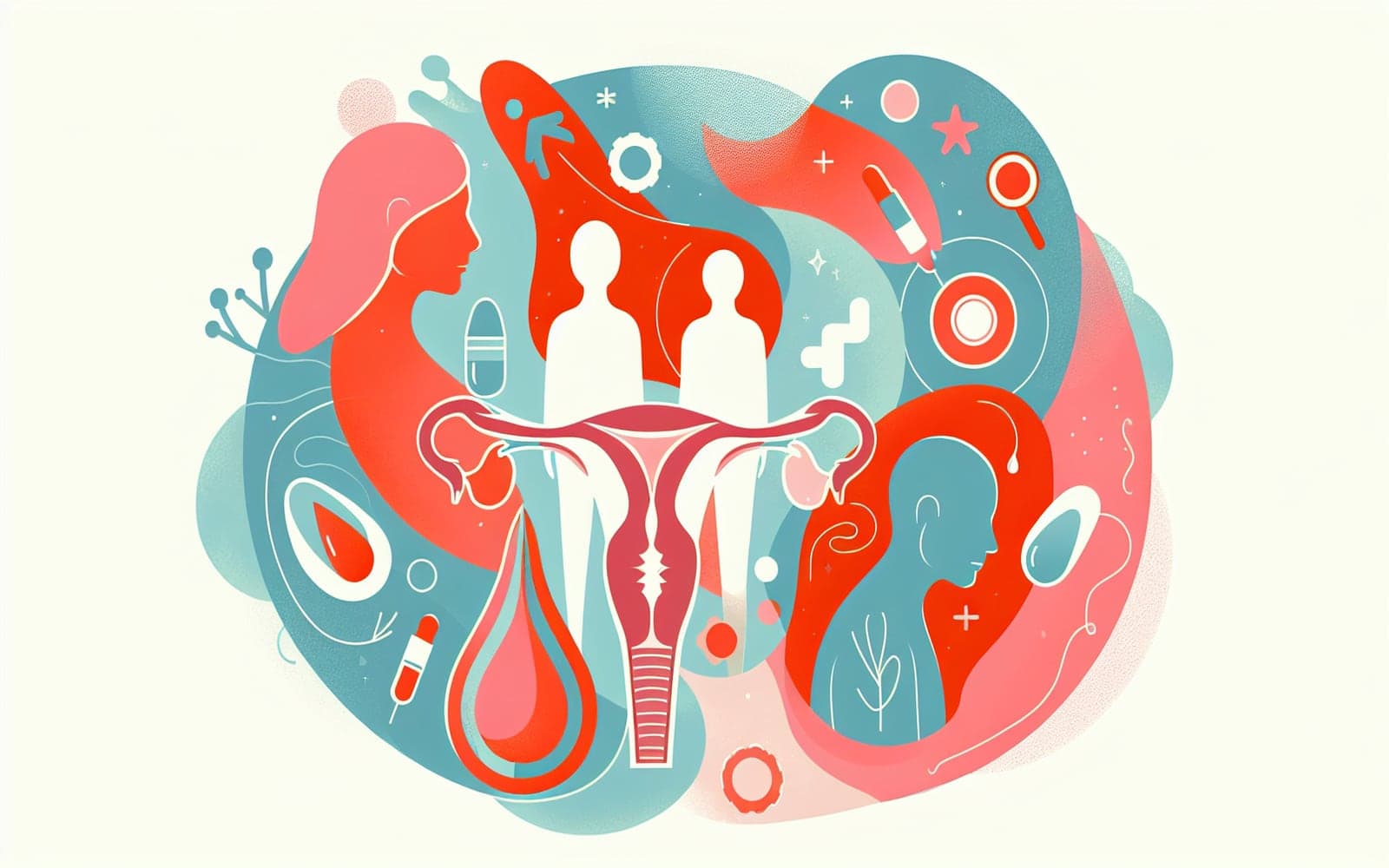
Credit: www.doctronic.ai
Sexual Health And Medical Conditions
Some medical conditions have a direct effect on sexual health. Sexually transmitted diseases (STDs) can cause pain, discomfort, or anxiety. Chronic illnesses like cancer, multiple sclerosis, or arthritis may reduce energy or mobility.
Certain surgeries (like prostate removal or hysterectomy) can affect sexual function. Talking to a doctor about these changes is important. They can suggest treatments, devices, or counseling to help manage issues.
Here is a look at how common health conditions may affect sexual function:
| Condition | Possible Impact | Helpful Actions |
|---|---|---|
| Diabetes | Nerve damage, low libido | Blood sugar control, talk to doctor |
| Heart Disease | Reduced stamina, erectile issues | Cardiac rehab, healthy lifestyle |
| Depression | Low desire, emotional distance | Mental health support, medication review |
Non-obvious Insights
Most people focus only on preventing disease or pregnancy, but two important factors often get ignored. First, sleep quality deeply impacts sexual desire and performance. Chronic tiredness can lower hormone levels and reduce arousal for both men and women.
Second, communication about pleasure is a skill many never learn. Discussing what feels good, what does not, or what someone wants to try can change satisfaction levels dramatically. This honest sharing is not always easy, but it leads to stronger, more fulfilling connections.
Frequently Asked Questions
What Are The Main Factors That Influence Sexual Health?
Many things can affect sexual health, including physical health, mental well-being, relationship quality, cultural beliefs, and lifestyle habits. Addressing all these areas is important for a satisfying sex life.
Can Medications Affect My Sexual Health?
Yes. Some medications, like those for high blood pressure or depression, can lower desire or cause sexual side effects. Always talk to a doctor if you notice changes after starting a new medicine.
Does Age Mean The End Of Sexual Activity?
No. People can enjoy sex at any age. Needs and preferences may change, but communication and adaptation help maintain intimacy.
How Do I Talk To My Partner About Sexual Health?
Start with honesty and respect. Share your feelings and listen to your partner’s needs. Using “I” statements (like “I feel…” or “I would like…”) can make conversations easier and less stressful.
Where Can I Find Reliable Information About Sexual Health?
Trust sources like doctors, health clinics, and respected websites. For more detailed information, see the World Health Organization.
Sexual health is shaped by many factors, from our bodies and minds to our relationships and the world around us. By understanding these influences, we can make better choices, communicate more openly, and enjoy healthier, happier lives.

