
Sexually transmitted diseases (STDs) and infections can affect anyone who is sexually active. Practicing safe sex is the best way to reduce your risk. Many people think condoms are the only solution, but there are several important steps you can take to protect yourself and your partner. Understanding these practices can make a real difference in your health and relationships.
Why Safe Sex Matters
Every year, over 374 million new cases of common STIs like chlamydia, gonorrhea, syphilis, and trichomoniasis are reported worldwide. Untreated STDs can lead to serious problems such as infertility, chronic pain, or even increased risk of HIV. Safe sex does not just prevent disease—it also builds trust between partners.
Key Safe Sex Practices
1. Use Condoms Correctly
Male and female condoms provide a barrier that helps stop most STDs, including HIV. Always check the expiry date and use a new condom for every sex act. Store condoms in a cool, dry place. Oil-based lubricants can break latex condoms, so use water-based or silicone-based lubricants.
2. Get Regular Std Testing
Many STDs have no symptoms. Regular testing means you can catch problems early. Testing is especially important before starting a new relationship or if you have multiple partners.
3. Limit Sexual Partners
Having fewer partners reduces your risk. If you choose to have multiple partners, talk openly about STD testing and protection. It’s not just about numbers—knowing your partner’s sexual history matters too.
4. Mutual Monogamy
Being in a long-term, mutually monogamous relationship where both partners are tested and uninfected is one of the safest choices. Trust and honesty are key.
5. Get Vaccinated
Vaccines can protect against some STDs, like HPV and hepatitis B. Ask your doctor if you are up to date on these vaccines.
6. Avoid Sharing Sex Toys
If you use sex toys, clean them after each use and never share without washing. Use condoms on toys if switching between partners.
7. Practice Good Hygiene
Washing before and after sex reduces some infection risk. Urinating after sex can help prevent urinary tract infections.
Here’s a quick comparison of protection methods:
| Method | Protects Against STDs? | Protects Against Pregnancy? |
|---|---|---|
| Male Condom | Yes (most) | Yes |
| Female Condom | Yes (most) | Yes |
| Birth Control Pills | No | Yes |
What Beginners Often Miss
Many people don’t realize that oral and anal sex can also spread STDs. Dental dams and condoms can reduce these risks. Another common mistake is trusting that “healthy-looking” partners are STD-free. In reality, most STDs show no visible signs.
Consider this: only about 12% of US adults have ever been tested for HIV, according to the CDC. Testing is simple, often free, and can give peace of mind.
Common Myths Vs Facts
| Myth | Reality |
|---|---|
| You can tell if someone has an STD | Most STDs have no visible symptoms |
| Birth control pills stop STDs | They only prevent pregnancy |
| STDs only happen to certain people | Anyone who is sexually active is at risk |
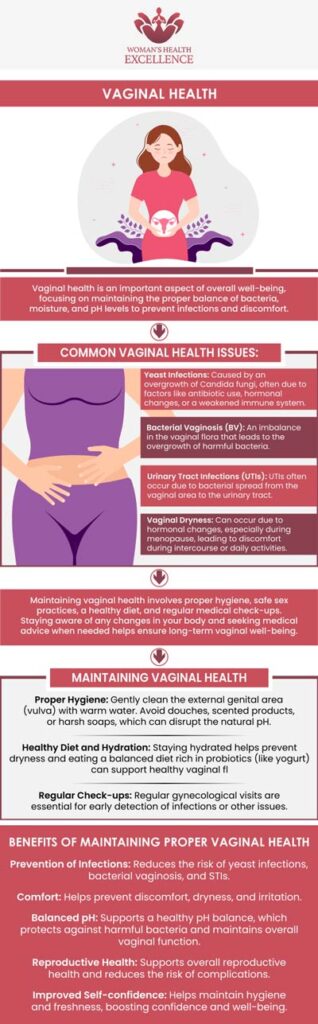
Credit: www.herobgyn.com
How To Talk With Your Partner
Discussing safe sex might feel awkward. Start by sharing your concern for both your health. Suggest getting tested together. Remember, open conversations build stronger relationships.
Frequently Asked Questions
What Is The Most Effective Way To Prevent Stds?
Abstinence (not having sex) is 100% effective. For sexually active people, using condoms every time and getting tested regularly are the best steps.
Do Condoms Protect Against All Stds?
Condoms protect against most STDs but not all. Some infections, like herpes or HPV, can spread through skin-to-skin contact not covered by condoms.
How Often Should I Get Tested For Stds?
If you are sexually active, get tested at least once a year, or more often if you have multiple partners or unprotected sex.
Can I Get An Std From Oral Sex?
Yes, oral sex can spread infections like gonorrhea, herpes, and syphilis. Use condoms or dental dams for oral sex to reduce risk.
Where Can I Find More Information About Safe Sex?
Visit the Centers for Disease Control and Prevention (CDC) for detailed, up-to-date resources.
Safe sex is about caring for yourself and your partner. With knowledge, honest conversation, and the right precautions, you can enjoy a healthy and fulfilling sex life while minimizing your risks.

