
Talking about sexual health is not easy for most people. Many feel shy, nervous, or even scared. But open conversations about sexual health can help prevent diseases, improve relationships, and boost confidence. In many cultures, this topic is still taboo, but times are changing. People are realizing that discussing sexual health is important for both physical and mental well-being. Whether you want to speak with a partner, doctor, or family member, learning how to talk openly is a skill worth building.
Why Open Discussion Matters
Sharing concerns about sexual health helps you make better decisions. For example, in 2022, over 374 million new cases of sexually transmitted infections (STIs) were reported globally. Many of these cases could be prevented with simple conversations. Talking openly also reduces shame and confusion, which can lead to better health outcomes. When you ask questions or share feelings, you gain knowledge and support. This can make it easier to ask for help, get tested, or use protection.
Common Barriers To Open Conversation
Many people avoid discussing sexual health because of:
- Embarrassment: Fear of being judged or misunderstood.
- Cultural beliefs: Some cultures teach that sex is private or shameful.
- Lack of knowledge: Not knowing the right words or facts.
- Fear of conflict: Worry that partners or parents will react negatively.
- Past experiences: Previous negative reactions can make future talks harder.
Understanding these barriers is the first step to overcoming them. Sometimes, just naming the barrier helps you feel more confident.
Preparing For The Conversation
Before you start, think about what you want to say. Make a list of your questions or topics. If you feel nervous, practice with a friend or write your thoughts down.
Example Preparation Steps
- Decide who you want to talk to (partner, doctor, parent).
- Write down your main concerns (STIs, contraception, consent).
- Practice saying key phrases aloud.
- Plan a good time and place for privacy.
Starting The Conversation
Opening the discussion can feel difficult. Use simple, honest words. Here are some examples:
- “I want to talk about our sexual health.”
- “Can we discuss ways to stay safe?”
- “I have some questions about contraception.”
If you’re talking to a doctor, you can say:
- “I want to learn more about STI testing.”
- “Can you explain safe sex practices?”
Remember, most people appreciate honesty and clear communication.
Using Data And Facts
Facts make conversations more powerful. For example, condoms are 98% effective at preventing pregnancy when used correctly. Sharing statistics can reduce fear and help others understand the importance of sexual health.
| Method | Effectiveness | Common Usage |
|---|---|---|
| Condom | 98% | Easy, protects against STIs |
| Pill | 99% | Daily, no STI protection |
| IUD | 99% | Long-term, no STI protection |
Using facts like these helps you explain why protection is important. It also shows you care about health, not just personal opinion.
Respect And Listening
Always listen when others speak. Respect their feelings and beliefs. If they disagree, stay calm. Ask questions and try to understand their point of view.
Tips For Respectful Conversation
- Avoid interrupting.
- Use phrases like “I understand your concern.”
- Repeat back what you heard to show you listened.
If someone feels uncomfortable, give them time. Some people need space to think before answering.

Credit: www.ahajournals.org
Talking To Different People
How you discuss sexual health depends on the person:
- Partner: Focus on trust, consent, and mutual care.
- Doctor: Ask clear questions, share symptoms honestly.
- Family: Use gentle words, explain why the topic matters.
For example, with a partner, you might say, “Let’s get tested together so we both feel safe. ” With a doctor, you can ask, “What are the risks for my age group? ”
Addressing Sensitive Topics
Some issues are harder to discuss, like STIs or sexual problems. Stay calm and avoid blame. Use facts and focus on solutions.
Example Sentences
- “I recently learned about HPV. Should we get vaccinated?”
- “I’m worried about symptoms. Can we talk about getting tested?”
If you don’t know the answer, it’s okay to say, “Let’s find out together. ” This shows you’re open and willing to learn.
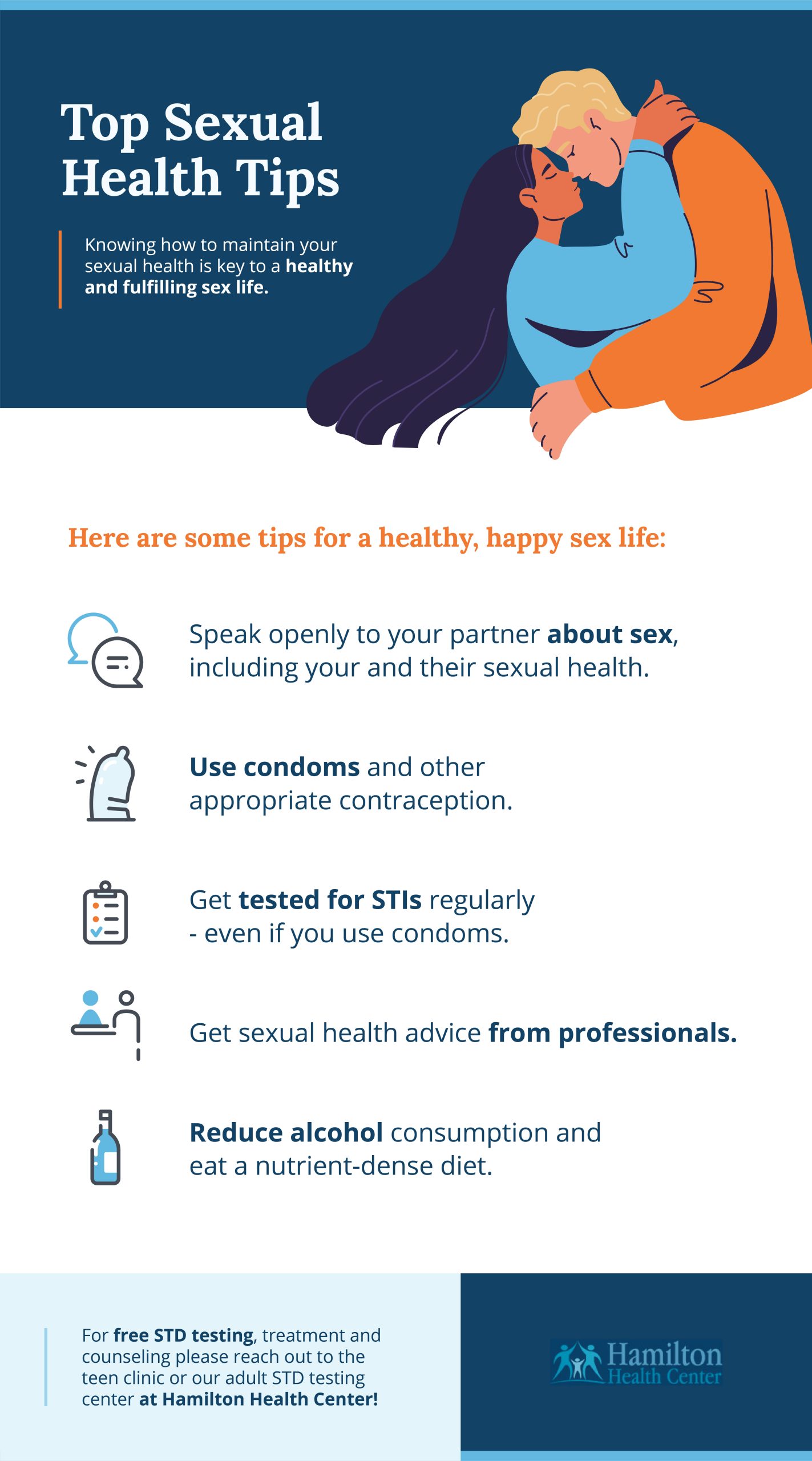
Credit: www.hamiltonhealthcenter.com
Using Technology For Support
Online resources can help you prepare. Websites like Planned Parenthood offer guides, videos, and expert advice. You can use apps for reminders about testing or contraception. Some online forums allow anonymous questions, which can help if you feel shy.
Cultural Differences And Awareness
Sexual health conversations can vary by culture. In some places, talking about sex is normal. In others, it’s seen as disrespectful. Respect cultural values, but remember that health and safety matter everywhere.
| Country | Sex Ed in Schools | Open Discussion Level |
|---|---|---|
| USA | Common | Medium |
| Sweden | Very Common | High |
| India | Rare | Low |
If your culture discourages sexual health talks, look for trusted people or professionals. Privacy and respect can help bridge gaps.

Credit: aif.org
Practical Mistakes To Avoid
Many beginners make mistakes. Here are some to watch for:
- Using complicated words: Stick to simple language.
- Judging others: Focus on facts, not opinions.
- Ignoring feelings: Check if the other person is comfortable.
- Rushing: Give time for questions and answers.
- Skipping key topics: Cover all important areas, like STIs and consent.
Avoiding these mistakes builds trust and confidence.
Real-life Example
Maria, age 22, was scared to talk to her boyfriend about STIs. She practiced with a friend, learned key facts, and chose a private time. When she started the conversation, her boyfriend felt relieved. They decided to get tested together.
This improved their relationship and health.
Frequently Asked Questions
How Can I Start A Sexual Health Conversation If I Feel Shy?
Begin with a simple phrase like, “I want to talk about our health. ” Practice with a friend or write your thoughts first.
What Topics Should I Include In A Sexual Health Discussion?
Cover STIs, contraception, consent, and any symptoms or concerns you have.
Is It Normal To Feel Nervous Discussing Sexual Health?
Yes, many people feel nervous. With practice, it becomes easier. Choose a private, comfortable place.
How Do I Discuss Sexual Health With A Doctor?
Be clear and honest. Ask questions about testing, protection, and symptoms. Doctors are trained to help.
What If My Culture Avoids Sexual Health Topics?
Look for support from professionals or trusted friends. Online resources can also help. Respect privacy and cultural values.
Open conversations about sexual health can change lives. They prevent disease, build trust, and help everyone feel safer. With practice, you can become confident and help others do the same.

