
Feeling stressed is a normal part of life, but too much stress can affect your body in many ways. One area people often overlook is sexual health and performance. You may notice changes in desire, satisfaction, or even physical performance during stressful times. Understanding how stress impacts sexual well-being can help you take steps to improve both your health and relationships.
How Stress Changes Sexual Desire
Stress affects the body’s hormone balance. When you’re stressed, the body releases more cortisol and adrenaline. These hormones prepare you to handle threats but can lower levels of testosterone and estrogen—key hormones for sexual desire in men and women.
For example, a study published in the Journal of Sexual Medicine found that people with high stress reported lower sexual desire than those with low stress. This isn’t only mental; it’s a direct chemical reaction in the body.
| Hormone | Effect of Stress | Impact on Sex |
|---|---|---|
| Cortisol | Increases | Decreases libido |
| Testosterone | Decreases | Reduces desire/performance |
| Estrogen | Decreases | Reduces arousal |
Stress And Physical Sexual Performance
Stress can make the body tense, which often leads to erectile dysfunction in men and difficulties with arousal for women. This happens because stress limits blood flow and distracts the mind.
In men, stress is a common cause of temporary erectile problems. For women, stress can cause vaginal dryness, making sex uncomfortable. Both men and women may find it harder to reach orgasm.
Performance anxiety—worrying about how you will perform—can make things worse. The more you worry, the more stress you feel, creating a difficult cycle.
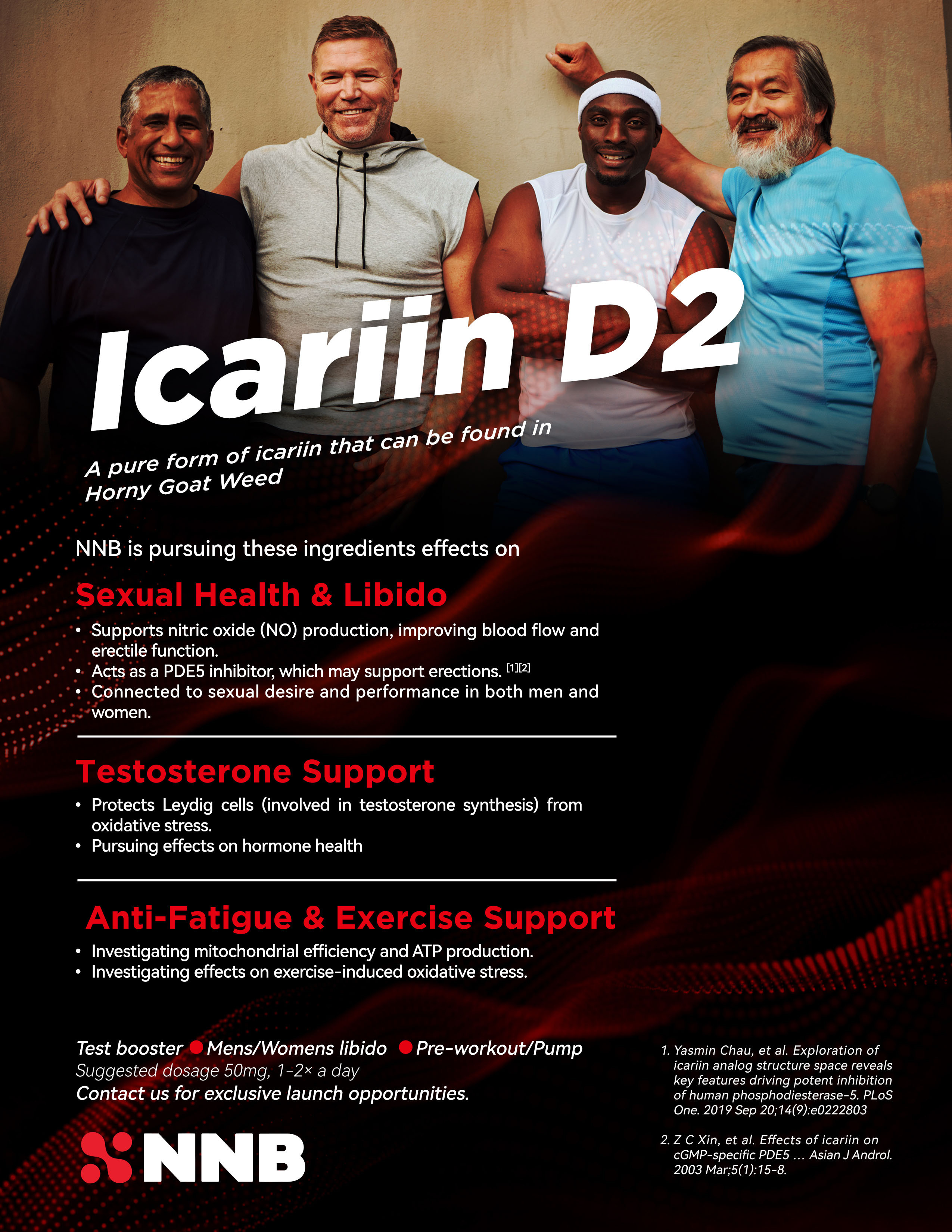
Credit: blog.priceplow.com
Emotional Effects On Intimacy
High stress can change the way partners interact. People under stress may become more irritable, withdrawn, or less interested in intimacy. This can make partners feel rejected, leading to more stress and less connection.
It’s important to communicate openly with your partner about stress. Sharing worries and supporting each other can reduce the negative effects of stress on your relationship.
Long-term Health Risks
Chronic stress doesn’t just harm sexual health in the short term. Over time, it can lead to depression, anxiety disorders, and even heart disease—all of which further reduce sexual health.
According to the American Psychological Association, people with long-term stress are more likely to have ongoing sexual problems. This shows the importance of managing stress for overall well-being.
Practical Steps To Improve Sexual Health
If stress is hurting your sexual health, there are proven steps you can take:
- Exercise regularly – Physical activity lowers stress hormones.
- Practice relaxation – Try meditation, deep breathing, or yoga.
- Communicate with your partner – Honest talk can reduce anxiety.
- Seek counseling – Professional help can break the stress-sexual health cycle.
- Limit caffeine and alcohol – These can raise stress and lower desire.
Remember, small changes add up. Even a daily walk or a ten-minute talk with your partner can make a difference.
Comparing Stress Levels And Sexual Satisfaction
Research shows a clear link between stress and sexual satisfaction. Here’s a simple comparison:
| Stress Level | Average Sexual Satisfaction (Scale: 1-10) |
|---|---|
| Low | 8.2 |
| Moderate | 6.1 |
| High | 4.3 |
As stress increases, satisfaction drops, showing how closely they are connected.
Medication, Stress, And Sexual Side Effects
Sometimes stress is treated with medication like antidepressants. These can also change sexual function. It’s important to talk with a doctor if you notice problems after starting new medications.
Here’s a quick look at common medicines and their possible sexual side effects:
| Medication Type | Sexual Side Effect |
|---|---|
| SSRIs (Antidepressants) | Lower libido, delayed orgasm |
| Benzodiazepines | Reduced arousal |
| Blood Pressure Drugs | Erectile dysfunction |
Frequently Asked Questions
How Quickly Can Stress Affect Sexual Desire?
Stress can lower desire in just a few days if it is intense. Chronic stress may affect desire over weeks or months.
Does Stress Always Cause Sexual Problems?
Not always. Some people may not notice changes, while others are very sensitive. Each person’s body and mind are different.
Can Managing Stress Improve Sexual Performance?
Yes. Lowering stress with exercise, relaxation, and good communication often improves sexual performance and satisfaction.
Are There Specific Signs That Stress Is Hurting My Sexual Health?
Yes. Signs include lower desire, trouble with arousal, less enjoyment, or feeling distant from your partner.
Where Can I Find More Information?
You can read more about stress and sexual health at the National Institutes of Health.
Understanding how stress affects sexual health can help you take control. By noticing changes early and taking steps to manage stress, you can protect both your body and your relationships.

