
Puberty is a natural stage of growing up, but it can feel confusing for both kids and parents. During puberty, the body changes from a child to an adult. These changes do not happen overnight. Instead, they follow a timeline, and the symptoms are different for boys and girls.
Understanding when and what to expect can make this time less stressful and help spot any problems early.
When Does Puberty Start?
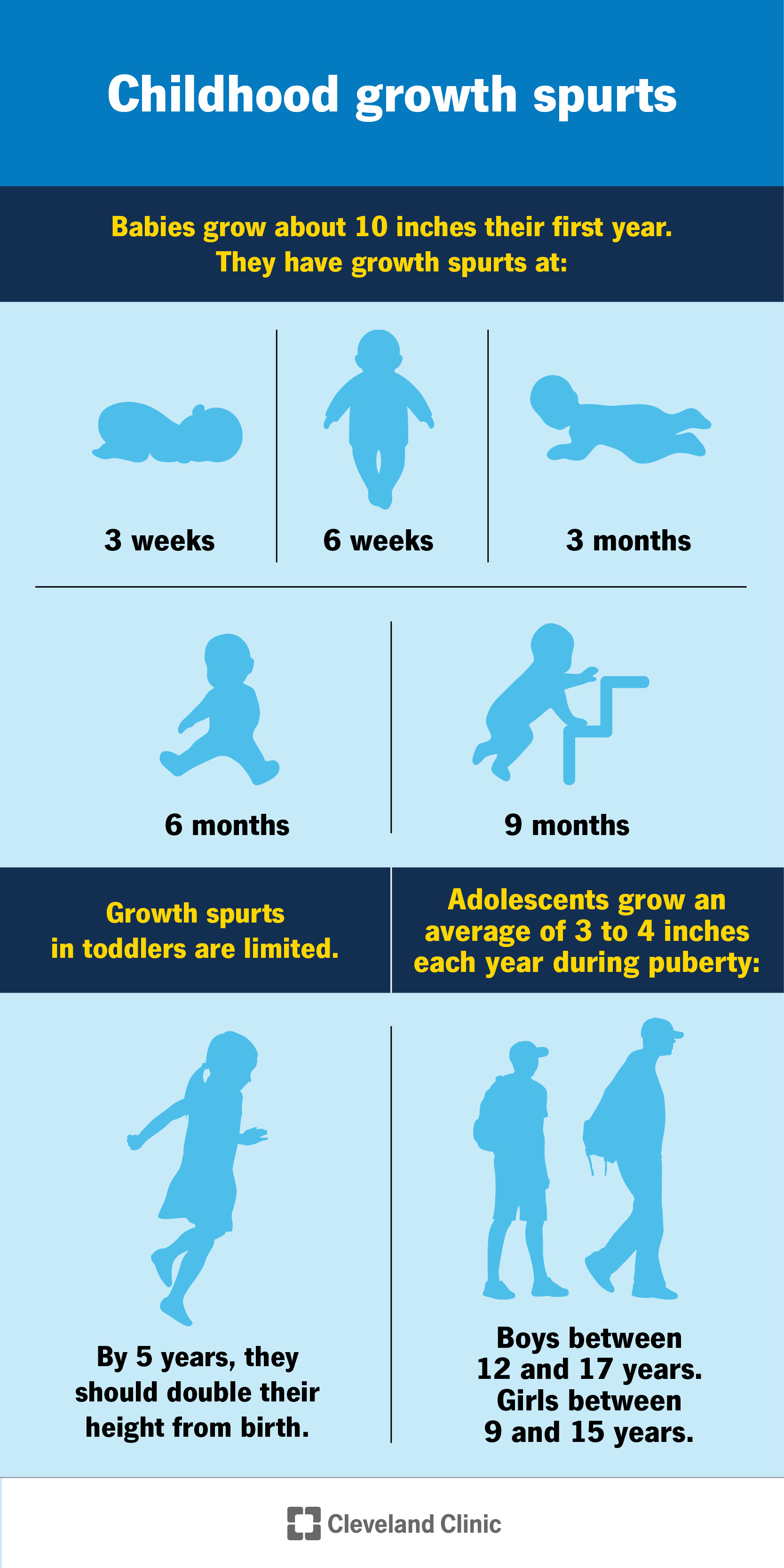
For most children, puberty begins between ages 8 and 14. Girls usually start earlier, around 8–13 years old. Boys often begin a bit later, between 9–14 years old. The exact age depends on genetics, nutrition, and environment. It’s normal for some kids to start earlier or later than friends.
Puberty Timeline And Symptoms In Girls
Girls’ puberty starts with changes that often happen in a certain order. Here’s a typical timeline:
| Age (Years) | Common Symptoms |
|---|---|
| 8–11 | Breast budding, growth spurt begins |
| 11–13 | Pubic/underarm hair, body shape changes |
| 12–14 | First period (menarche), acne |
| 14–16 | Periods become regular, emotional changes |
- Breast development is usually the first sign.
- Growth spurts happen early, with most height gained before periods start.
- Periods often begin about two years after breasts start to grow.
- Other symptoms: Acne, oily skin, and mood swings.
A non-obvious fact: Some girls get white or clear vaginal discharge up to a year before their first period. This is normal and means the body is preparing for menstruation.

Credit: www.youtube.com
Puberty Timeline And Symptoms In Boys
Boys’ puberty usually starts a bit later, but follows a similar step-by-step process:
| Age (Years) | Common Symptoms |
|---|---|
| 9–12 | Testicles and scrotum enlarge |
| 11–13 | Pubic/underarm hair, penis grows |
| 13–15 | Voice deepens, muscle growth |
| 14–16 | Facial hair, growth spurt peaks, acne |
- Testicular enlargement is the first sign for most boys.
- Penis growth and pubic hair follow.
- Voice change and muscle growth come a bit later.
- Boys’ growth spurt usually starts about two years after puberty begins.
A helpful insight: Boys often notice one testicle growing faster than the other at first. This is common and not usually a problem.
Comparing Puberty Symptoms: Boys Vs. Girls
Understanding the differences and overlaps helps spot what's normal.
| Symptom | Girls | Boys |
|---|---|---|
| Growth Spurt | Earlier (before periods) | Later (after genital changes) |
| Acne | Common | Common |
| Voice Change | Mild | Deepens significantly |
| Body Hair | Less facial/body hair | More facial/body hair |
Credit: my.clevelandclinic.org
Emotional And Social Changes
Puberty isn’t just physical. Kids often feel mood swings, become more private, or struggle with self-esteem. These feelings are normal, but strong support from family helps. Sometimes, puberty starts very early (before age 8 in girls or 9 in boys) or very late (after 14 in girls or 15 in boys). In such cases, seeing a doctor is important.
Frequently Asked Questions
What Are The First Signs Of Puberty In Girls?
The first sign is usually breast development. Some girls also notice a small amount of pubic hair or a clear discharge.
What Is The First Sign Of Puberty In Boys?
The testicles and scrotum begin to grow larger. This often happens before pubic hair appears.
Can Puberty Start Earlier Or Later Than Normal?
Yes, genetics and health play a role. Early or late puberty can sometimes signal health issues. If you are worried, talk to a doctor or learn more at KidsHealth.
How Long Does Puberty Last?
Puberty usually lasts 2 to 5 years. Everyone is different, so the timeline may vary.
Is It Normal To Feel Emotional During Puberty?
Yes, emotional changes are common. Support from family and friends is very helpful during this time.
Puberty is a unique journey for each person, but understanding the typical timeline and symptoms can help everyone feel more comfortable and prepared. If you have questions or concerns, don’t hesitate to reach out to a healthcare provider.

Credit: www.amazon.com

