
Sexually transmitted infections (STIs) on the penis are a topic that often brings anxiety and confusion. Many men worry about unusual symptoms or changes in their genital area. If you understand the signs, causes, and prevention of these infections, it can help you manage your health with confidence.
This article breaks down the most important facts about STIs affecting the penis, using clear explanations and practical advice. Whether you are curious, concerned, or just want to stay safe, you'll find answers to your questions here.
What Are Sexually Transmitted Infections?
Sexually transmitted infections, or STIs, are diseases spread mostly through sexual contact. They can affect any part of the body involved in sex, but the penis is a common site for infection in men. Some STIs cause obvious symptoms, while others are silent and hard to notice. According to the World Health Organization, more than 1 million STIs are acquired every day worldwide.
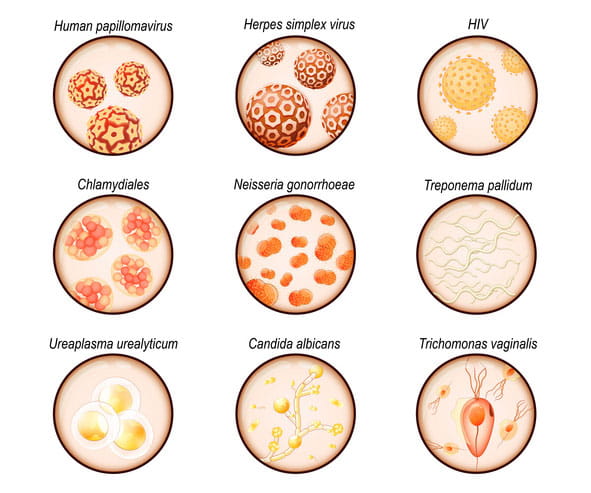
STIs are caused by different types of germs:
- Bacteria (like chlamydia, syphilis)
- Viruses (such as herpes, HIV)
- Parasites (like pubic lice, trichomoniasis)
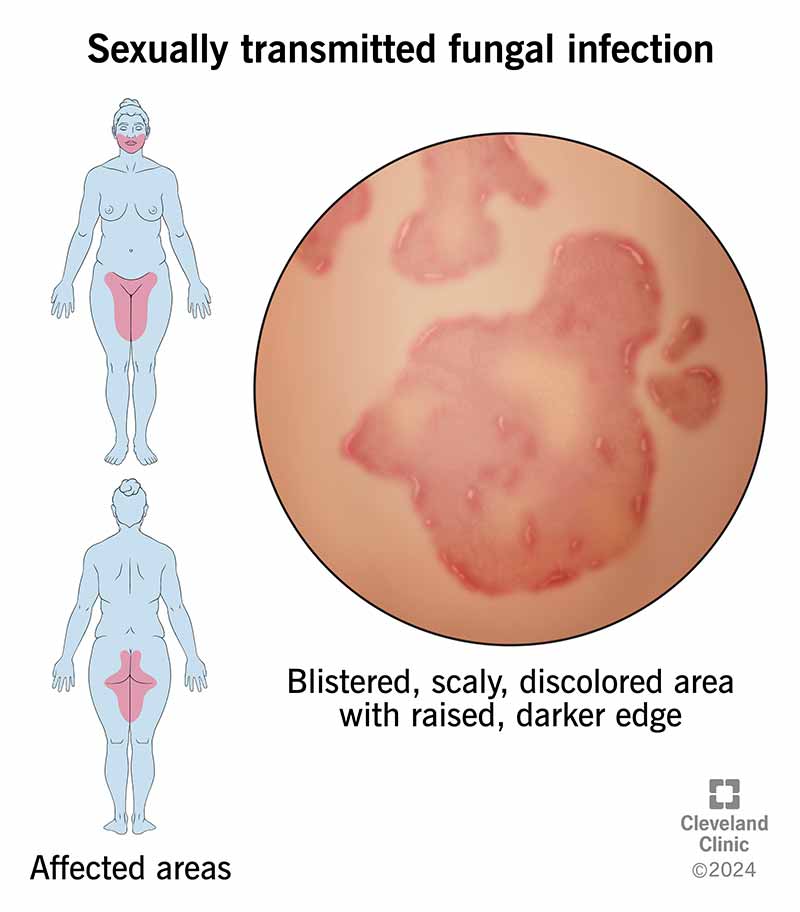
- Fungi (yeast infections, though less common on the penis)
Common Stis That Affect The Penis
Several STIs can cause problems for men. Here are the most frequent ones:
1. Chlamydia
Chlamydia is a bacterial infection. It often has no symptoms. When symptoms appear, men may notice:
- Discharge from the penis (clear or cloudy)
- Burning when urinating
- Swelling or pain in the testicles
Chlamydia is easy to treat with antibiotics, but untreated infections can cause complications.
2. Gonorrhea
Gonorrhea is similar to chlamydia but often more aggressive. Signs include:
- Thick, yellow or green discharge
- Painful urination
- Itching or redness at the tip
Gonorrhea can spread to the bloodstream if not treated.
3. Syphilis
Syphilis starts with a painless sore on the penis. This sore can heal, but the infection moves inside the body and causes more severe problems later. Early treatment is critical. Syphilis rates have increased in many countries in recent years.
4. Genital Herpes
Herpes is caused by the herpes simplex virus (HSV). Symptoms often include:
- Small blisters or sores on the penis
- Burning or itching
- Flu-like feelings in some cases
Herpes is not curable, but antiviral medicines can reduce outbreaks.
5. Human Papillomavirus (hpv)
HPV is very common. It can cause genital warts on the penis. Some types of HPV can lead to cancer, but most cause only mild symptoms. Vaccines can help prevent HPV.
6. Trichomoniasis
Trichomoniasis is a parasite infection. It may cause:
- Foamy or foul-smelling discharge
- Irritation or itching
Many men have no symptoms but can still spread the infection.
7. Hiv
HIV rarely causes direct symptoms on the penis, but it enters the body through tiny cuts or sores. Early HIV may cause flu-like symptoms. Protecting yourself from HIV is critical because it is lifelong.
8. Pubic Lice And Scabies
These parasites cause intense itching and small red spots. They are less common but still possible.

Credit: www.netterimages.com
Signs And Symptoms To Watch For
Not all STIs cause visible problems. But some warning signs on the penis include:
- Unusual discharge
- Sores, blisters, or ulcers
- Redness or swelling
- Pain when urinating
- Itching or burning
- Lumps or bumps
If you notice any of these, get checked by a healthcare provider. Many men ignore mild symptoms, thinking they will go away. This is risky because untreated STIs can lead to infertility or other health issues.
How Stis Spread
Most STIs are passed through unprotected sex. This includes:
- Penile-vaginal intercourse
- Oral sex
- Anal sex
- Skin-to-skin contact (for herpes and HPV)
Sharing sex toys or coming into contact with infected fluids also spreads STIs.
Some infections (like herpes or HPV) can spread even if the infected person has no symptoms. This is called asymptomatic transmission.
Credit: www.upmc.com
Diagnosing Stis On The Penis
Doctors use several methods to diagnose STIs:
- Physical exam: Checking for sores, discharge, or redness
- Lab tests: Urine samples, swabs from the penis, or blood tests
Testing is quick and private. Most clinics offer confidential STI testing.
Comparison Of Common Sti Tests
| STI | Test Type | Detection Time |
|---|---|---|
| Chlamydia | Urine/swab | 1-2 weeks after exposure |
| Gonorrhea | Urine/swab | 1-2 weeks after exposure |
| Syphilis | Blood test | 3-6 weeks after exposure |
| Herpes | Swab/blood | 1-3 weeks after exposure |
| HPV | Visual exam | Months after exposure |
Treatment And Prevention
Most bacterial STIs (like chlamydia and gonorrhea) are cured with antibiotics. Viral infections (herpes, HPV, HIV) require ongoing treatment, but symptoms can be managed.
Key prevention tips:
- Use condoms every time you have sex. They greatly reduce risk.
- Get vaccinated for HPV.
- Limit the number of sexual partners.
- Avoid sex if you or your partner has symptoms.
- Get tested regularly, even without symptoms.
Sti Treatments Compared
| STI | Cure Possible? | Main Treatment |
|---|---|---|
| Chlamydia | Yes | Antibiotics |
| Gonorrhea | Yes | Antibiotics |
| Syphilis | Yes | Antibiotics |
| Herpes | No | Antivirals |
| HPV | No | Vaccines/Removal of warts |
| HIV | No | Antiretrovirals |
Risks And Complications
Untreated STIs can cause serious problems:
- Infertility
- Chronic pain
- Increased HIV risk
- Spread to others
One insight many beginners miss: some STIs (like HPV and herpes) can be spread even without visible symptoms. Another point is that having one STI can make it easier to get another, because the skin and immune system are already weakened.
When To See A Doctor
If you notice any unusual symptoms on your penis, seek medical advice. Early treatment prevents complications. Don’t wait for symptoms to get worse. You should also get tested if you have unprotected sex or change partners.
Credit: my.clevelandclinic.org
Frequently Asked Questions
What Does An Sti Look Like On The Penis?
An STI may cause sores, blisters, discharge, or redness on the penis. Some infections show no visible signs. If you notice any changes, get checked.
Can You Get An Sti From Oral Sex?
Yes, oral sex can transmit infections like herpes, gonorrhea, and syphilis. Using condoms or dental dams reduces risk.
How Soon Do Symptoms Appear After Exposure?
Symptoms may show in days or weeks, depending on the infection. Some STIs remain hidden for months. Get tested even if you feel fine.
Are All Stis Curable?
Most bacterial STIs can be cured with antibiotics. Viral STIs (herpes, HPV, HIV) can be managed but not cured.
Where Can I Get Reliable Information About Stis?
You can find accurate details at the Centers for Disease Control and Prevention (CDC).
Taking care of your sexual health is important. Knowing about STIs on the penis helps you stay safe and protect your partners. If you have doubts, don’t hesitate to ask a healthcare professional. Early action makes a big difference for your health and peace of mind.

