
Young people often hear about sexual health at school or from parents, but many do not realize how important it is for their overall well-being. Sexual health is not just about avoiding diseases or pregnancy. It is also about understanding your body, building healthy relationships, and making safe choices for the future.
In today’s world, where information is everywhere, knowing the facts about sexual health can protect young people from many risks and help them live happier, more confident lives.
Physical Health And Disease Prevention
Sexual health education helps young people protect themselves from sexually transmitted infections (STIs) and unplanned pregnancies. According to the World Health Organization, over one million STIs are acquired every day worldwide, and young people aged 15-24 account for more than half of all new infections.
Practical knowledge includes:
- Using condoms and other protection
- Regular health check-ups for sexually active youth
- Getting vaccinated against viruses like HPV
Not all STIs show symptoms, so routine testing is important. For example, chlamydia can be silent but can cause infertility if untreated.
Emotional And Mental Well-being
Good sexual health supports emotional well-being. Young people who understand their bodies and their feelings are less likely to struggle with guilt, anxiety, or shame about sex.
Having honest conversations about relationships and consent helps build self-confidence. It also prepares youth to say "no" to unwanted experiences or peer pressure. When people know their boundaries, they can better protect their mental health.

Credit: annexteenclinic.org
Healthy Relationships And Consent
Learning about sexual health teaches the value of consent and respect in relationships. Young people often face pressure from friends, partners, or media. Understanding consent means knowing that both people must agree before any sexual activity.
Here is a comparison of healthy and unhealthy relationships:
| Healthy Relationship | Unhealthy Relationship |
|---|---|
| Open communication | Secrets and lies |
| Mutual respect | Pressure or control |
| Support and trust | Jealousy or fear |
Young people who learn these differences can build lasting, positive connections.
Reducing Social Stigma
Sexual health education reduces stigma and misinformation. Many cultures do not talk openly about sex, making it a topic of shame or confusion. When schools and families offer correct information, young people feel safer asking questions and seeking help.
Here is a comparison of outcomes for those with and without sexual health education:
| With Education | Without Education |
|---|---|
| Fewer STIs | Higher rates of infection |
| Lower teen pregnancy | More unplanned pregnancies |
| Better relationship choices | Poor decision-making |

Credit: girlsfriendlysociety.org.uk
Planning For The Future
Sexual health is part of a healthy lifestyle. Making informed choices today helps young people avoid health problems later. For example, using protection can prevent infections that might cause fertility issues years later. Being able to discuss sexual health openly with a partner or doctor is also a key life skill.
Non-obvious Insights
Many young people believe only people with many partners need to worry about sexual health. In reality, even one unprotected encounter can lead to health risks. Also, sexual health is not just about avoiding danger; it includes understanding pleasure, respect, and comfort with one’s own body.
Another thing often missed: emotional safety is as important as physical safety. Feeling pressured or unsafe can cause long-term mental health effects, even if no physical harm occurs.
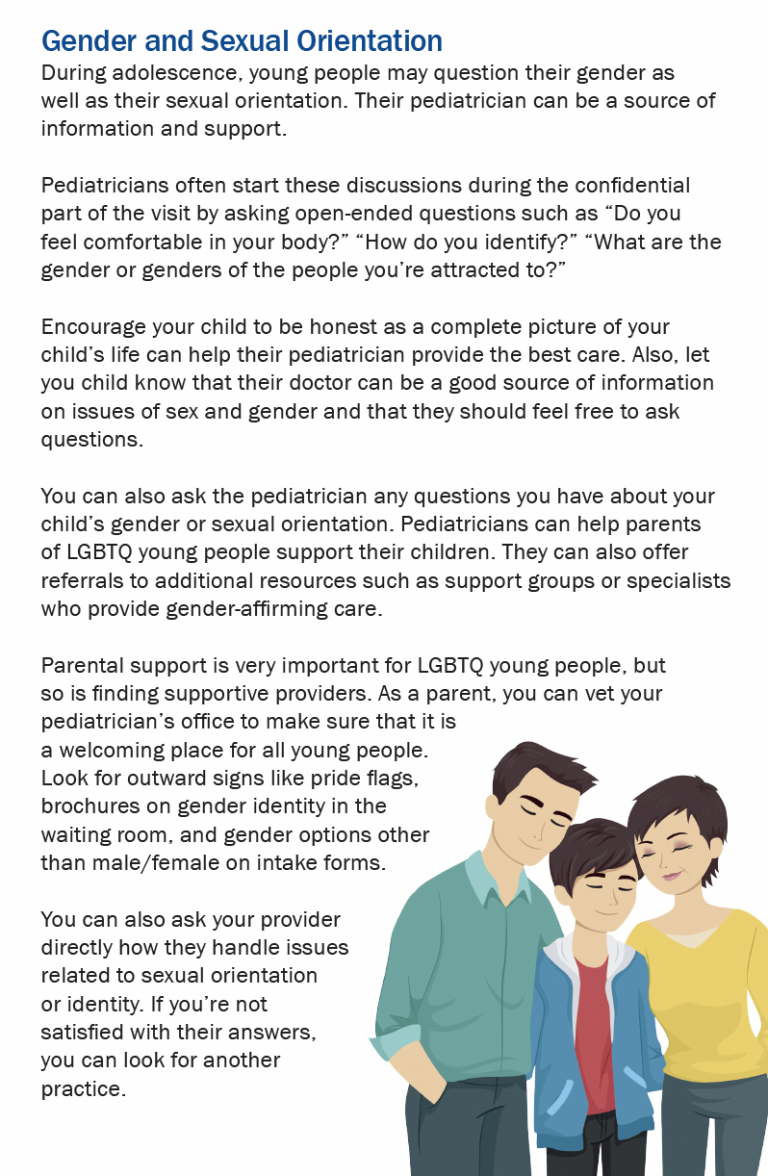
Credit: www.ashasexualhealth.org
Frequently Asked Questions
What Is Sexual Health?
Sexual health means being safe, informed, and comfortable with your body, relationships, and sexual choices.
How Can I Talk To My Parents About Sexual Health?
Start with a simple question or share something you learned at school. Parents might feel awkward, but most want to help.
Are Condoms 100% Effective?
Condoms are very effective when used correctly, but no method is perfect. Combining condoms with other protection increases safety.
When Should I Get Tested For Stis?
If you are sexually active, get tested at least once a year or whenever you have a new partner.
Where Can I Find More Information?
Trusted sources like the Centers for Disease Control and Prevention offer reliable, up-to-date information on sexual health.
Making smart choices about sexual health now will help young people stay healthy, happy, and confident for years to come. Educating yourself is the first step toward a better future.

