
Sexual health is an important part of overall well-being. Many people face problems with sexual health. But they may not know the signs. This article explains common symptoms of poor sexual health. We use simple words to help you understand better.
What Is Sexual Health?
Sexual health means feeling good about your sexual life. It includes your body, mind, and relationships. When sexual health is good, you enjoy intimacy. You feel happy and comfortable with your body and partner. Poor sexual health can cause distress and problems in life.
Why Is It Important to Know the Symptoms?
Knowing the signs of poor sexual health helps you get help early. Some problems may get worse if not treated. Talking to a doctor can improve your health and happiness. It can also improve your relationships.
Common Symptoms of Poor Sexual Health
Sexual health problems can affect both men and women. They can happen at any age. Below are common symptoms to watch for.
1. Low Sexual Desire (low Libido)
One of the most common signs is low interest in sex. You may not feel like being close to your partner. This is called low libido.
- You do not want sex often or at all.
- You feel no excitement about sexual activity.
- Low libido can last for days, weeks, or longer.
Low libido can happen for many reasons. Stress, tiredness, or health problems may cause it. Sometimes, medicines or hormones change your desire.
2. Difficulty Becoming Aroused
Some people find it hard to get physically ready for sex. This means the body does not respond as expected.
- Men may have trouble getting or keeping an erection.
- Women may find it hard to get wet or feel warmth.
- Both may feel less pleasure or excitement.
This can cause frustration and sadness. It is a clear sign that sexual health needs care.
3. Problems With Orgasm
Orgasm means reaching the peak of sexual pleasure. Some people face problems like:
- Delay in reaching orgasm.
- Inability to have an orgasm.
- Orgasms that are less satisfying.
These problems may cause stress or reduce interest in sex.
4. Pain During Sex
Feeling pain during or after sex is a serious symptom. Both men and women can feel pain.
- Women may feel pain in the vagina or pelvis.
- Men may have pain in the penis or groin.
- Pain can be sharp, burning, or aching.
If you feel pain, do not ignore it. It can be a sign of infection or other health issues.
5. Erectile Dysfunction (ed)
ED means trouble getting or keeping an erection firm enough for sex. It is a common problem in men.
- You may find it hard to start or keep an erection.
- You may feel worried or upset about it.
- ED can happen sometimes or often.
ED may have many causes, like diabetes, nerve problems, or stress.
6. Premature Or Delayed Ejaculation
Men may ejaculate too quickly or too late during sex.
- Premature ejaculation means reaching climax too fast.
- Delayed ejaculation means taking too long or no climax.
- Both can reduce pleasure and cause stress.
7. Feelings Of Shame, Anxiety, Or Depression
Poor sexual health can affect your mind. You may feel:
- Shame about your sexual problems.
- Anxiety before or during sex.
- Sadness or depression related to sex.
These feelings make sexual problems worse. Getting support is important.
8. Changes In Sexual Behavior
You may notice changes like:
- Avoiding sex or intimacy.
- Using sex in risky ways.
- Feeling angry or distant from your partner.
Such changes show that sexual health needs attention.
Table: Summary of Symptoms of Poor Sexual Health
| Symptom | Description | Who It Affects |
|---|---|---|
| Low Libido | Less interest or desire for sex | Men and Women |
| Difficulty Becoming Aroused | Hard to get physically ready for sex | Men and Women |
| Problems with Orgasm | Delay, lack, or less pleasure in climax | Men and Women |
| Pain During Sex | Feeling pain during or after intercourse | Men and Women |
| Erectile Dysfunction | Men: Trouble getting or keeping erection | Men |
| Premature/Delayed Ejaculation | Men: Ejaculating too fast or too slow | Men |
| Emotional Issues | Shame, anxiety, or depression linked to sex | Men and Women |
| Changes in Behavior | Avoiding sex, risky behavior, or distance | Men and Women |
Common Causes of Poor Sexual Health
Knowing causes helps prevent and treat problems. Some causes include:
- Physical health problems: Diabetes, heart disease, nerve damage.
- Hormone changes: Low testosterone or estrogen.
- Medications: Some medicines affect sexual function.
- Mental health: Stress, anxiety, depression.
- Relationship issues: Poor communication, conflicts.
- Lifestyle: Smoking, alcohol, lack of exercise.
When to See a Doctor
If you notice any symptoms, don't wait. Early help can improve your health. See a doctor if:
- Symptoms last more than a few weeks.
- You feel pain during sex.
- You feel sad or anxious about sex.
- Sexual problems affect your relationship.
Doctors can offer tests and treatments. They can also give advice on lifestyle changes.
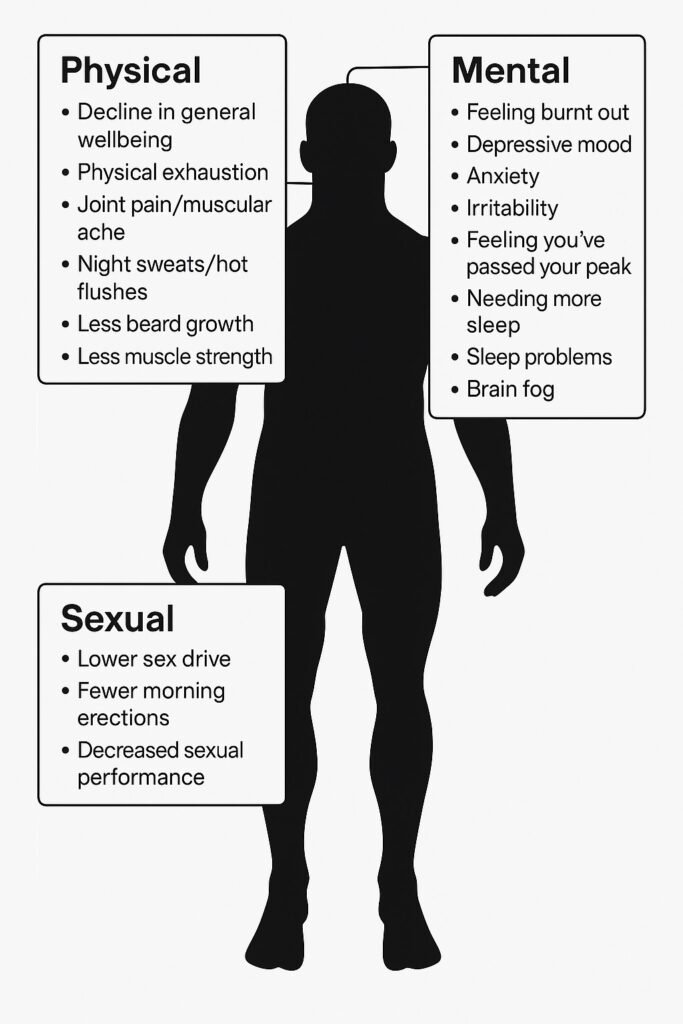
Credit: www.centreformenshealth.co.uk

Credit: www.jacc.org
How to Improve Sexual Health
Good news: Many sexual health problems can get better. You can try:
- Healthy eating: Eat fruits, vegetables, and whole grains.
- Exercise: Regular physical activity helps blood flow.
- Quit smoking: Smoking harms blood vessels and nerves.
- Limit alcohol: Too much alcohol harms sexual function.
- Manage stress: Relaxation and sleep help your mind and body.
- Talk openly: Communicate with your partner about feelings.
Frequently Asked Questions
What Are The Symptoms Of Sexual Dysfunction?
Symptoms of sexual dysfunction include low sexual desire, difficulty becoming aroused, inability to maintain an erection, premature ejaculation, and pain during intercourse. These signs affect both men and women, leading to dissatisfaction and distress in sexual activity.
What Are The Causes Of Sexual Weakness?
Sexual weakness can result from diabetes, nerve damage, chronic alcoholism, stress, hormonal imbalances, and certain medications. Poor blood flow and psychological issues also contribute significantly.
How To Help Sexual Dysfunction?
Help sexual dysfunction by adopting a healthy diet, exercising regularly, quitting smoking, and managing stress effectively. Seek medical advice for personalized treatment options.
What Is The Treatment Of Sexual Dysfunction?
Sexual dysfunction treatment includes lifestyle changes, counseling, medication, hormone therapy, and devices. Consult a healthcare professional for personalized care.
Conclusion
Sexual health is important for happiness and well-being. Recognize symptoms like low desire, pain, or erection problems. These signs tell you when to seek help. Simple lifestyle changes can improve your sexual health. Talk to a doctor if problems continue. Remember, you are not alone. Help is available to support you.

