
Reproductive health is a key part of living a healthy and happy life. It means more than just having children—it covers a person’s physical, mental, and social well-being in all matters related to the reproductive system. Understanding reproductive health helps people make informed choices, avoid diseases, and enjoy better relationships.
Let’s look deeper into what reproductive health means, why it matters, and how to protect it.
What Is Reproductive Health?
Reproductive health is about the well-being of the reproductive organs and the ability to have a safe and satisfying sex life. It includes:
- The right to access information and care
- Freedom from diseases and unwanted pregnancies
- Emotional and social support
Good reproductive health is important for both men and women at every age.
Main Areas Of Reproductive Health
There are several important parts of reproductive health:
- Family planning: Choosing when and how many children to have
- Maternal health: Care during pregnancy, childbirth, and after delivery
- Prevention of sexually transmitted infections (STIs)
- Safe sex practices
- Fertility and infertility care
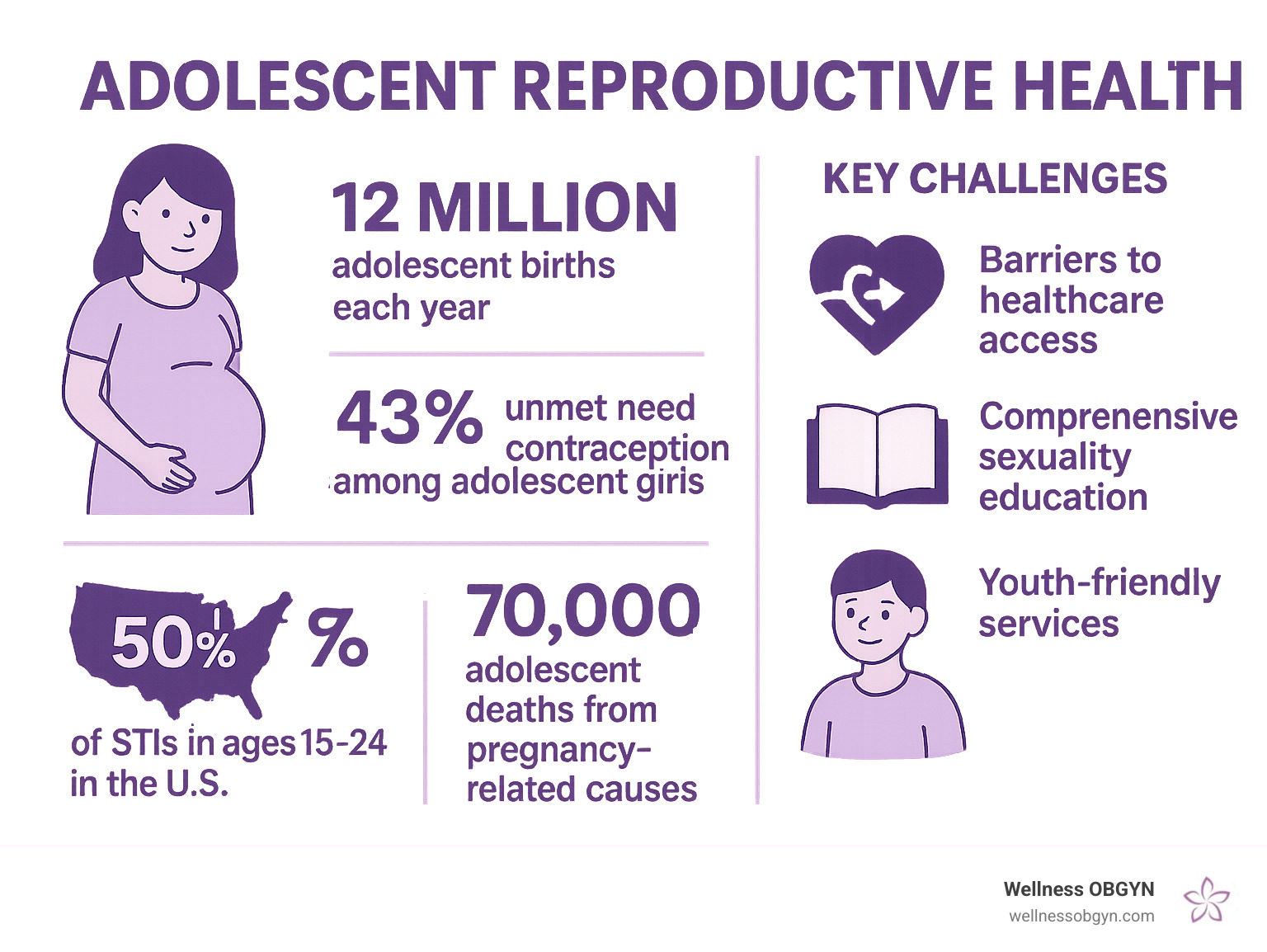
- Adolescent health
- Menstrual health and hygiene
Each area needs attention for a healthy life.
Importance Of Reproductive Health
Why does reproductive health matter? Here are some reasons:
- Reduces maternal and infant deaths: Access to proper care can lower the risk of complications.
- Prevents diseases: Using condoms and regular checkups help avoid STIs like HIV.
- Empowers women: Family planning lets women control their bodies and futures.
- Supports healthy families: When parents are healthy, children grow better.
According to the World Health Organization, about 810 women die every day from preventable causes related to pregnancy and childbirth. Most of these deaths happen in low-income countries, showing the need for better care.
Key Practices For Good Reproductive Health
To keep your reproductive system healthy, follow these practices:
- Use protection: Condoms and other contraceptives help prevent STIs and unwanted pregnancies.
- Get regular checkups: Visit a doctor for screenings and advice.
- Vaccinate: HPV and hepatitis B vaccines can prevent serious diseases.
- Talk openly: Discuss sexual health with partners and doctors.
- Eat well and exercise: Good nutrition supports overall and reproductive health.
Credit: www.unfpa.org
Common Myths And Mistakes
Many people believe myths about reproductive health, such as:
- You cannot get pregnant during your period.
- Only women need reproductive health care.
- STIs always show clear symptoms.
Believing these myths can lead to risky behavior. Both men and women need regular care and correct information.
Comparison: Contraceptive Methods
There are many ways to prevent pregnancy. Here’s how some common methods compare:
| Method | Effectiveness (%) | Protects Against STIs |
|---|---|---|
| Condoms | 85 | Yes |
| Birth control pill | 91 | No |
| IUD | 99 | No |
| Withdrawal | 78 | No |

Credit: etedge-insights.com
Key Differences: Male Vs. Female Reproductive Health Needs
Men and women have unique needs:
| Aspect | Men | Women |
|---|---|---|
| Contraception | Condoms, vasectomy | Pills, IUDs, implants |
| Cancer screening | Prostate, testicular | Breast, cervical, ovarian |
| Prenatal care | Not needed | Essential |
Health Risks Without Proper Care
Ignoring reproductive health can cause:
- Unplanned pregnancies
- Sexually transmitted infections
- Infertility
- Cancers of the reproductive organs
- Emotional problems like anxiety or shame
Many of these problems can be prevented with education and care.
Credit: wellnessobgyn.com
Where To Find Reliable Information
Always look for reproductive health advice from trusted sources like doctors, clinics, and official health organizations. One good place to start is the World Health Organization.
Frequently Asked Questions
What Is Reproductive Health?
Reproductive health means being physically, mentally, and socially healthy in all matters related to the reproductive system.
How Often Should I See A Doctor For Reproductive Health?
Adults should have a checkup at least once a year, or more often if they notice any problems.
Can Men Have Reproductive Health Issues?
Yes, men can have problems like infertility, STIs, and prostate diseases.
Is It Safe For Teenagers To Use Contraception?
Yes, contraception is safe for most teenagers and helps prevent unwanted pregnancies and STIs.
What Are Common Signs Of Reproductive Health Problems?
Watch for pain, unusual bleeding, rashes, or changes in periods. If you notice these, see a doctor soon.
Reproductive health is an important part of your overall well-being. By learning about it, taking care of your body, and seeking help when needed, you can protect yourself and your loved ones for a brighter, healthier future.

