
Reproductive health is important for everyone. It means the health of the body parts that help people have babies. These parts work differently in boys and girls. Knowing about reproductive health helps people make smart choices.
What Is Reproductive Health?
Reproductive health is about keeping the male and female reproductive systems healthy. It is not just about avoiding sickness. It means feeling well in your body, mind, and social life related to reproduction.
It includes:
- Healthy organs that help with having babies.
- Good hormones that control growth and reproduction.
- Safe and respectful relationships.
- Access to information and services to protect health.
Why Is Reproductive Health Important?
Reproductive health affects many parts of life. It helps people feel good about their bodies. It also helps avoid problems like infections or unwanted pregnancies.
Good reproductive health can:
- Prevent infections that spread during sex.
- Help people plan when to have children.
- Support healthy pregnancy and birth.
- Improve mental and emotional well-being.
Key Parts of the Reproductive System
The reproductive system has different parts for boys and girls. These parts work together for reproduction.
Female Reproductive System
- Ovaries: Make eggs and hormones.
- Fallopian Tubes: Carry eggs to the uterus.
- Uterus: Where a baby grows during pregnancy.
- Vagina: The passage leading outside the body.
Male Reproductive System
- Testes: Make sperm and hormones.
- Vas Deferens: Carry sperm to the urethra.
- Penis: Delivers sperm during sex.
- Prostate: Helps make fluid for sperm.
Understanding Fertility
Fertility means the ability to have a baby. It depends on healthy reproductive organs and hormones. Both males and females need good fertility to make a baby.
For women, fertility changes during the menstrual cycle. This cycle usually lasts about 28 days. The best time to get pregnant is when the egg is released from the ovary. This is called ovulation.
For men, sperm is made constantly. Healthy sperm is important for pregnancy. Factors like diet, health, and lifestyle affect fertility.
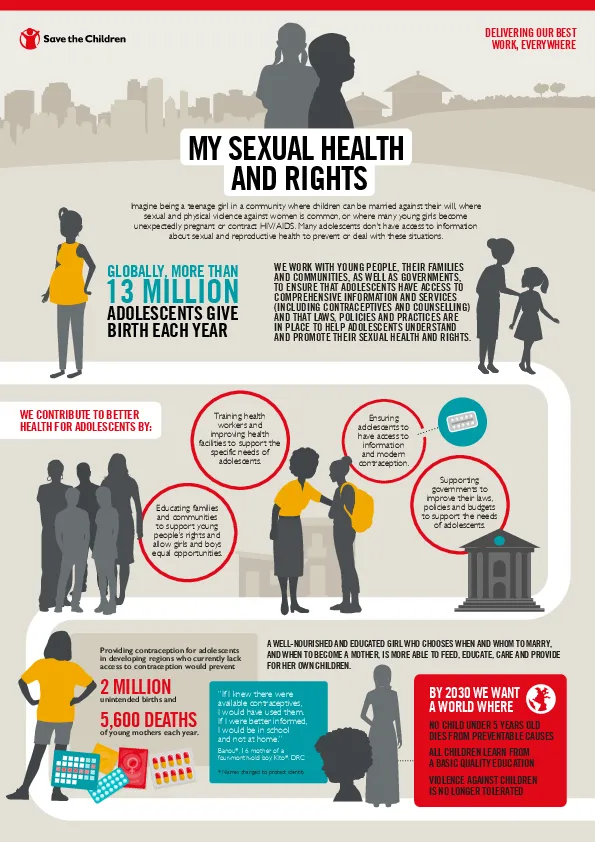
Credit: resourcecentre.savethechildren.net
Common Reproductive Health Issues
Sometimes, problems can happen. Knowing about these issues helps find help early.
Sexually Transmitted Infections (stis)
STIs are infections spread through sex. Examples are chlamydia, gonorrhea, and HIV. These can harm reproductive health if not treated. Using condoms and getting tested helps prevent STIs.
Menstrual Problems
Girls and women may have pain, heavy bleeding, or irregular periods. These can be signs of health problems. Doctors can help with treatment and advice.
Infertility
Infertility means having trouble getting pregnant. It can happen to men or women. Causes include health problems, age, or lifestyle. Doctors can provide tests and treatments.
How to Protect Your Reproductive Health
Taking care of reproductive health is simple. Here are some key steps:
- Practice Safe Sex: Use condoms to prevent infections.
- Get Regular Check-ups: Visit a doctor for exams and tests.
- Maintain Good Hygiene: Keep your body clean.
- Eat Healthy: Good food helps your body work well.
- Exercise Regularly: Stay active to keep your body strong.
- Avoid Harmful Substances: Don’t smoke or use drugs.
- Learn About Your Body: Understand how your body works.

Credit: weillcornell.org
The Role of Hormones in Reproductive Health
Hormones are chemicals that control many body functions. They help with growth, development, and reproduction.
Important hormones include:
- Estrogen: Helps develop female traits and regulate the menstrual cycle.
- Progesterone: Prepares the uterus for pregnancy.
- Testosterone: Develops male traits and sperm production.
Hormone balance is important. Too much or too little can cause problems.
Understanding Menstrual Cycle
The menstrual cycle is a monthly change in the female body. It prepares for pregnancy. If no pregnancy happens, the body sheds the lining of the uterus. This is called a period.
The cycle has four phases:
| Phase | Description |
|---|---|
| Menstrual Phase | Shedding of uterine lining (period). |
| Follicular Phase | Ovaries prepare an egg for release. |
| Ovulation | Egg is released from the ovary. |
| Luteal Phase | Uterus prepares for possible pregnancy. |
Family Planning and Birth Control
Family planning means deciding when to have children. Birth control helps prevent pregnancy if you are not ready.
Common birth control methods include:
- Condoms
- Birth control pills
- IUDs (Intrauterine devices)
- Implants
- Natural methods (tracking fertile days)
Each method has benefits and risks. Talk to a healthcare provider to choose the best one.
Mental and Social Well-Being in Reproductive Health
Reproductive health is not only physical. It also includes feelings and social life.
Good mental health helps people feel confident and comfortable. Respectful relationships help protect reproductive health.
It is important to:
- Have honest talks with partners.
- Respect your own and others’ choices.
- Seek help if you feel stressed or sad.
Getting Help and Information
If you have questions about reproductive health, ask a doctor or nurse. They can give advice and tests if needed.
Many clinics and health centers offer services for all ages. These include:
- Health check-ups
- Birth control advice
- Testing and treatment for infections
- Support for pregnancy and parenting
Summary
Reproductive health is about keeping the body and mind well. It covers organs, hormones, feelings, and social life. Everyone should know how their body works. They should protect themselves from infections and unwanted pregnancies.
Good habits like safe sex, healthy food, and regular check-ups help keep reproductive health strong. When problems happen, getting help early is important. Remember, reproductive health is part of overall health. Take care of it every day.
Frequently Asked Questions
What Is Reproductive Health And Why Is It Important?
Reproductive health means having healthy reproductive organs and functions. It helps people live well and avoid diseases. Good care prevents infections and supports safe pregnancy.
How Can I Protect Myself From Sexually Transmitted Infections?
Using condoms correctly reduces the risk of sexually transmitted infections (STIs). Regular testing and honest communication with partners are also key. Avoiding risky behaviors helps keep you safe.
What Are Common Signs Of Reproductive Health Problems?
Unusual pain, irregular periods, or abnormal discharge can signal problems. Changes in mood or fertility may also be signs. Early check-ups help catch issues early.
How Does Understanding Fertility Help With Family Planning?
Knowing how fertility works helps decide when to have children or prevent pregnancy. Tracking cycles and signs improves chances of pregnancy or avoiding it. It supports healthy and informed choices.

