
Female reproductive health is very important for every woman. Good reproductive health means your body can work well to have babies if you want. It also means your hormones and cycles are balanced. Many women want to improve this health naturally. This guide will help you do that in simple ways.
Why Is Female Reproductive Health Important?
Your reproductive system includes your ovaries, fallopian tubes, uterus, and vagina. It helps you have periods, make eggs, and get pregnant. When this system works well, it helps you stay healthy and feel good. But many things can affect it, like age, stress, and lifestyle habits.
Improving reproductive health naturally helps you avoid medicines or surgery. It also supports your overall body health. Let’s explore easy ways to boost this health.
Keep a Healthy Weight
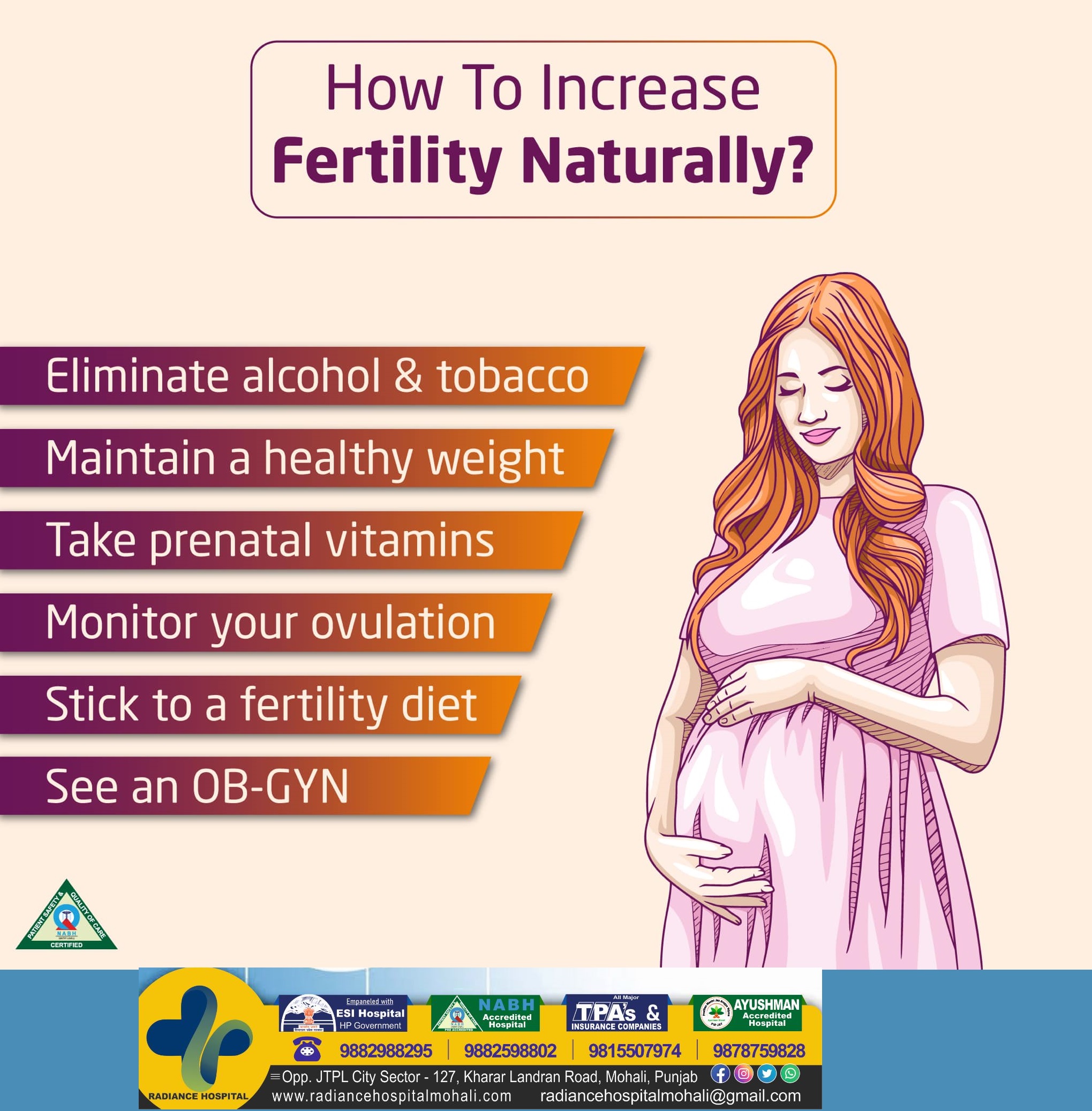
One key step is to keep a healthy weight. Being too heavy or too thin can cause problems with your periods and ovulation. Your body needs a good balance of fat to make hormones well.
- Try to eat balanced meals.
- Include fruits, vegetables, whole grains, and lean proteins.
- Avoid too much junk food or sugary drinks.
- Talk to a doctor if you are not sure about your weight.
A healthy weight helps your body make good eggs and keeps your cycles regular.
Eat a Balanced Diet Rich in Nutrients
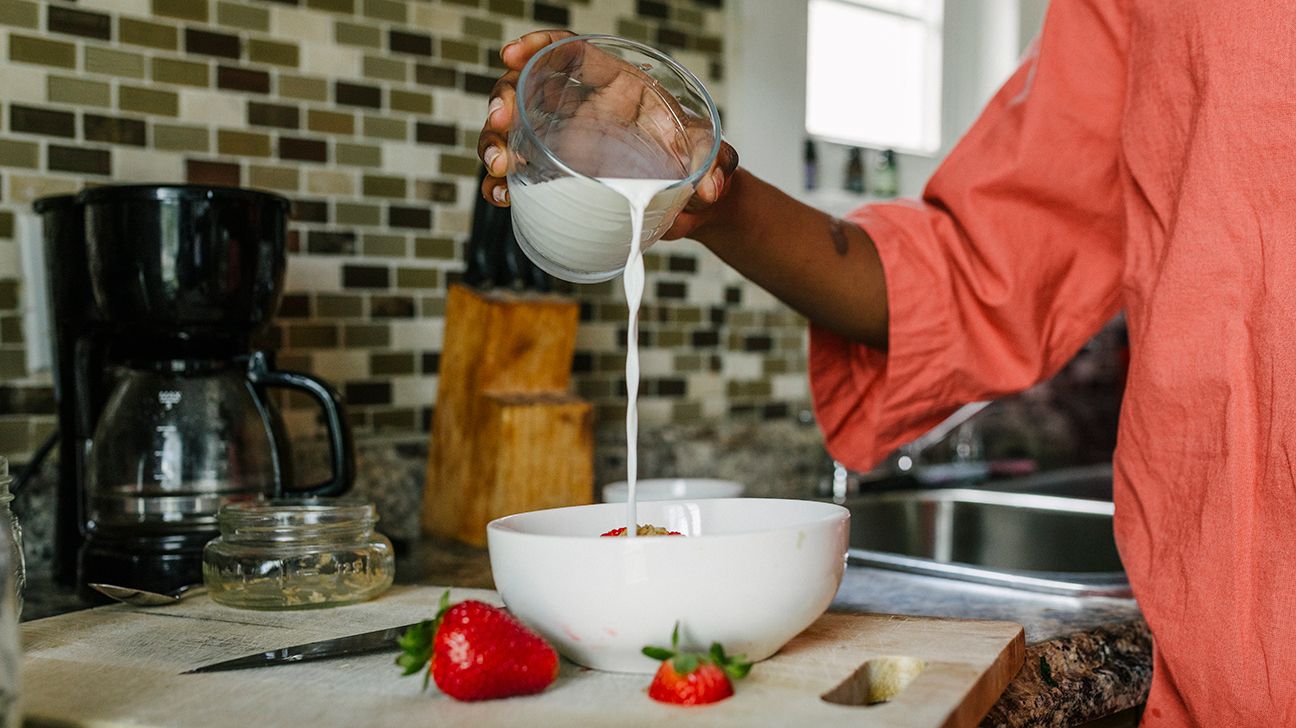
Food plays a big role in your reproductive health. Eating foods with vitamins and minerals can help your body work well.
Here are some important nutrients for reproductive health:
| Nutrient | Why It Helps | Food Sources |
|---|---|---|
| Folate (Vitamin B9) | Helps make healthy eggs and supports pregnancy | Leafy greens, beans, nuts, and fortified cereals |
| Iron | Prevents anemia and supports healthy blood flow | Red meat, spinach, lentils, and beans |
| Vitamin D | Supports hormone balance and immune health | Sunlight, eggs, fatty fish, and fortified milk |
| Antioxidants | Protects eggs from damage | Berries, nuts, green tea, and dark chocolate |
| Omega-3 Fatty Acids | Helps reduce inflammation and supports hormone health | Fish like salmon, walnuts, and flaxseeds |
Try to eat a variety of these foods every day. They help your body stay strong and ready for healthy cycles.
Credit: www.healthline.com
Exercise Moderately
Exercise is good for your whole body. It helps keep your weight healthy and reduces stress. But too much exercise can cause problems with your periods.
Good exercise tips:
- Do at least 30 minutes of moderate exercise most days.
- Try walking, swimming, or yoga.
- Avoid extreme workouts that make you very tired.
Exercise helps your body make good hormones and keeps your blood flowing well.
Reduce Stress
Stress can hurt your reproductive health. It can change your hormone levels and stop ovulation. Finding ways to relax is very important.
Here are some ways to reduce stress:
- Practice deep breathing or meditation.
- Spend time outside in nature.
- Talk to friends or family when you feel worried.
- Try hobbies you enjoy, like reading or painting.
When you lower stress, your body can work better for your fertility.
Get Enough Sleep
Sleep helps your body repair and balance hormones. Not enough sleep can make your cycles irregular and reduce fertility.
Try to:
- Sleep 7 to 8 hours every night.
- Go to bed and wake up at the same time each day.
- Avoid screens before bed to help you sleep better.
Good sleep helps keep your reproductive system healthy.
Avoid Smoking and Excess Alcohol
Smoking and drinking too much alcohol can harm your eggs and uterus. They also increase the risk of miscarriage and other problems.
To protect your reproductive health:
- Do not smoke or use tobacco products.
- Limit alcohol to very small amounts or avoid it.
These changes improve your chances of healthy cycles and pregnancy.
Track Your Menstrual Cycle and Ovulation
Knowing your cycle helps you understand your body better. You can see when you ovulate and when your fertile days are.
Ways to track your cycle:
- Mark the first day of your period on a calendar.
- Note how long your cycle lasts.
- Look for signs of ovulation, like changes in cervical mucus.
- Use simple ovulation predictor kits if needed.
This helps you plan for pregnancy or understand if your cycle is healthy.
Maintain Hormonal Balance
Your hormones control your periods and fertility. Sometimes, stress, illness, or poor habits can unbalance hormones.
Tips to support hormone health:
- Eat regularly and avoid skipping meals.
- Include healthy fats in your diet.
- Limit caffeine and sugar.
- Stay physically active but not overactive.
Keeping hormones balanced helps your body ovulate regularly.
Focus on a Healthy Uterine Environment
A healthy uterus is important for pregnancy. The lining of the uterus must be thick and healthy for an embryo to grow.
To support your uterus:
- Eat foods with vitamin E and zinc, like nuts and seeds.
- Manage stress and sleep well.
- Avoid toxins from smoking and pollution.
This helps your body prepare for a healthy pregnancy.
Credit: radiancehospitalmohali.com
Understand the Role of Age
As women get older, fertility changes naturally. The number and quality of eggs decrease with age. This affects chances of pregnancy and increases risks.
Why does this matter?
- Women under 30 usually have higher fertility.
- After 35, fertility slowly drops.
- By 40, fertility is lower, and risks are higher.
Knowing this helps you make good choices about family planning.
Summary: Steps to Improve Female Reproductive Health Naturally
| Step | How It Helps |
|---|---|
| Maintain Healthy Weight | Keeps hormone levels balanced and cycles regular |
| Eat Balanced Diet | Provides vitamins and minerals for egg and hormone health |
| Exercise Moderately | Supports hormone balance and blood flow |
| Reduce Stress | Prevents hormone disruption and irregular cycles |
| Get Enough Sleep | Helps hormone repair and balance |
| Avoid Smoking and Excess Alcohol | Protects eggs and uterus from damage |
| Track Menstrual Cycle | Helps understand fertility and cycle health |
| Maintain Hormonal Balance | Supports regular ovulation and fertility |
| Focus on Uterine Health | Prepares the body for pregnancy |
| Know Impact of Age | Helps plan for pregnancy timing |
Final Thoughts
Improving female reproductive health naturally is possible. It takes good habits and care over time. Eating well, staying active, and managing stress help your body work well. Avoid harmful habits like smoking and too much alcohol.
Remember, every woman is different. Some may need help from a doctor. But these natural steps can give your body a strong chance to stay healthy. Start today for a better tomorrow.
Frequently Asked Questions
How To Boost Female Fertility Naturally?
Boost female fertility naturally by maintaining a healthy weight, exercising moderately, managing stress, and getting quality sleep. Eat a balanced diet rich in vitamins and antioxidants. Avoid smoking, limit alcohol, and track ovulation for optimal timing. These habits support hormonal balance and reproductive health effectively.
At What Age Are 90% Of A Woman's Eggs Gone?
By age 30, women lose about 90% of their eggs. Egg quantity and quality decline significantly after this age, impacting fertility.
What Makes A Woman Extra Fertile?
A woman is extra fertile due to genetics, regular ovulation, balanced hormones, healthy weight, and a nutritious diet. Avoiding smoking and stress also boosts fertility naturally.
What Can I Drink To Become More Fertile?
Drink water, green tea, and herbal teas like red raspberry leaf to support fertility. Include fresh fruit juices rich in antioxidants. Avoid excessive caffeine and alcohol to maintain hormonal balance and improve reproductive health naturally.

