
Stress touches every part of your life, but did you know it can deeply affect your sexual health too? If you’ve noticed a drop in your desire or changes in your sexual response, stress might be the hidden culprit.
Understanding how stress impacts your body and mind can help you take back control of your sexual wellbeing. Keep reading to discover what happens inside your body when stress takes over—and what you can do to restore balance and reconnect with your own pleasure.
Your journey to a healthier, more satisfying sexual life starts here.
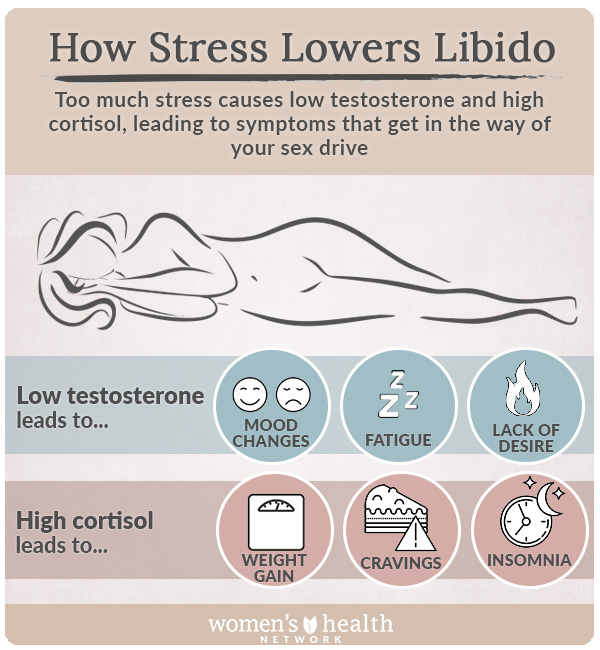
Credit: www.womenshealthnetwork.com
Stress And Hormones
Cortisol is a hormone released during stress. It can lower female libido by reducing sex hormone levels. High cortisol means less estrogen and progesterone. These hormones are important for a healthy sex drive and menstrual cycle.
Stress causes an imbalance in hormones. This can lead to irregular periods, vaginal dryness, and less sexual desire. The body focuses on survival, not reproduction, during stress.
| Effect | Cause | Result |
|---|---|---|
| High cortisol | Chronic stress | Lower sex hormone levels |
| Hormonal imbalance | Cortisol suppresses estrogen & progesterone | Reduced libido, dry vagina |
| Irregular periods | Stress disrupts hormone cycles | Fertility problems, mood changes |

Credit: www.drlawweiseng.com.sg
Psychological Effects
Stress lowers sexual desire by raising cortisol levels. This hormone reduces sex hormones, which kills libido. Anxiety and depression often come with stress, making desire even weaker. Feeling worried or sad can stop feelings of attraction and pleasure.
Stress causes the mind to wander during intimacy. This mental distraction makes it hard to enjoy closeness or feel connected. Thoughts about work or problems block focus on physical sensations.
Women under stress may find it difficult to relax or be present. These psychological effects can lead to less interest in sex and less satisfaction during intimacy.
Physical Consequences
Stress can cause vaginal dryness, making intimacy uncomfortable. This happens because stress lowers the body's natural lubrication.
Menstrual irregularities are common with stress. Periods may come early, late, or skip completely. Stress affects hormones that control the menstrual cycle.
Fertility challenges can also arise. Stress changes hormone levels, which may reduce the chance of getting pregnant. It may affect ovulation and overall reproductive health.

Credit: www.everlywell.com
Stress And Sexual Response
Stress can lower female sexual response in many ways. It often leads to decreased arousal levels. Stress raises the hormone cortisol, which reduces sex hormones. This drop makes it harder to feel excited or interested in sex.
Sexual satisfaction may also suffer. Women under stress might feel less pleasure or connection during intimacy. Stress can cause distraction, making it tough to enjoy the moment fully.
Cycle disruptions are common too. Stress can change or stop menstrual cycles. This affects hormones that control sexual desire and mood. These changes create a cycle where stress and sexual health affect each other negatively.
Daily Stress Impact
Daily stress can cause fluctuations in sexual desire. Hormones like cortisol rise during stress, which lowers libido. This makes it hard to feel interested in sex. Stress also affects mood and energy, reducing desire further.
Stress impacts relationship dynamics. Tension or arguments may increase. Partners might feel distant or misunderstood. This can lead to less intimacy and connection. Communication often suffers, creating a cycle that feeds stress and reduces sexual activity.
| Stress | Effect on Sex | Result |
|---|---|---|
| High cortisol | Lower sex hormones | Reduced sexual desire |
| Emotional tension | Less communication | Weaker relationship bond |
| Low desire | Less sex | More stress |
Stress and sex form a feedback loop. Stress lowers desire. Less sex causes more stress. Breaking this cycle needs care and patience. Small steps like talking openly help improve both stress and intimacy.
Managing Stress For Sexual Health
Stress can lower a woman's sexual desire and cause physical discomfort. Relaxation techniques like deep breathing or yoga help calm the mind. Spending time outdoors or doing hobbies also reduces stress.
Talking openly with your partner builds trust and eases tension. Sharing feelings and worries creates a stronger connection. This helps both partners feel safe and loved.
Seek professional help if stress keeps harming your health or relationships. A doctor or therapist can offer useful advice and treatment. Early support leads to better sexual health and happiness.
Frequently Asked Questions
How Does Stress Impact Female Libido?
Stress increases cortisol, which suppresses sex hormones. This hormonal imbalance lowers sexual desire and satisfaction in women.
Can Chronic Stress Cause Female Sexual Dysfunction?
Yes, chronic stress disrupts hormone levels, leading to issues like low libido, vaginal dryness, and difficulty achieving arousal.
Why Does Stress Reduce Sexual Arousal In Women?
Stress causes psychological distraction and hormonal changes, such as increased cortisol, which interfere with genital sexual arousal.
How Does Stress Affect Menstrual Cycles And Fertility?
Prolonged stress disturbs hormone production, causing irregular menstruation and making it harder for women to conceive.
Conclusion
Stress can lower female libido and disrupt hormonal balance. It may cause physical and emotional challenges in sexual health. Managing stress helps improve desire and overall well-being. Simple steps like rest, exercise, and talking to someone help a lot. Recognizing stress’s impact allows women to seek support early.
A healthy mind supports a healthy body and intimate life. Taking care of stress promotes better sexual health and happiness.

